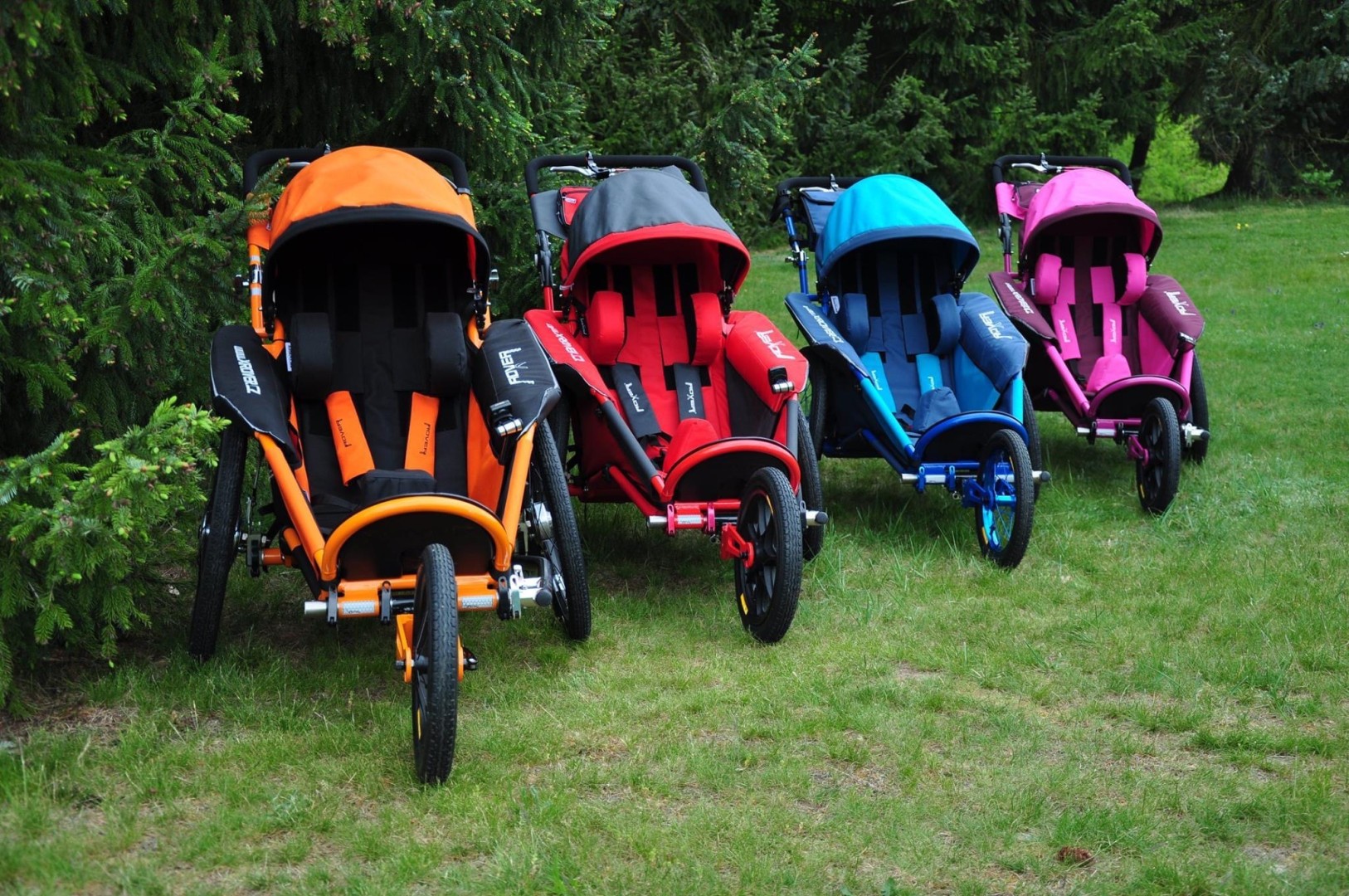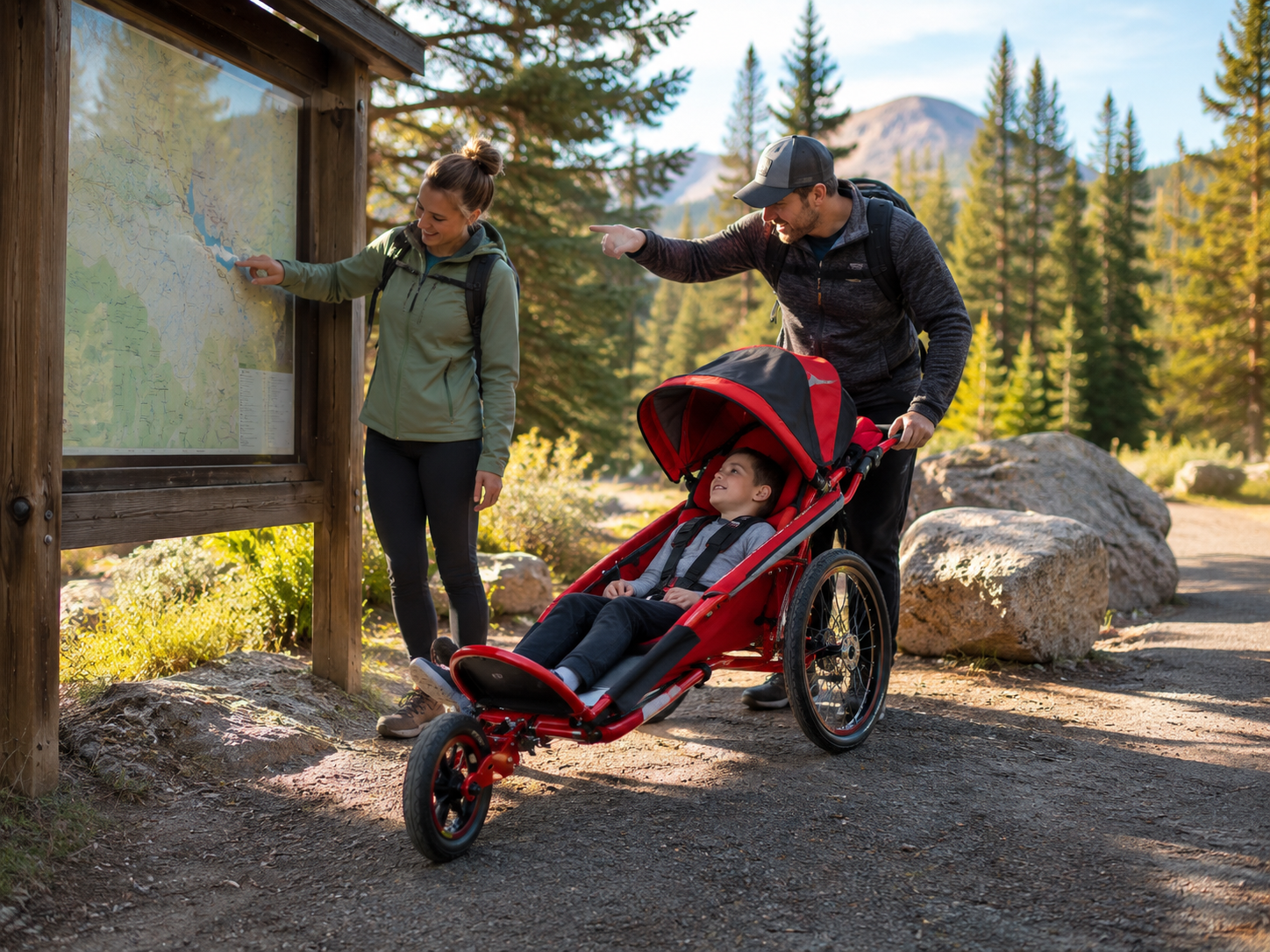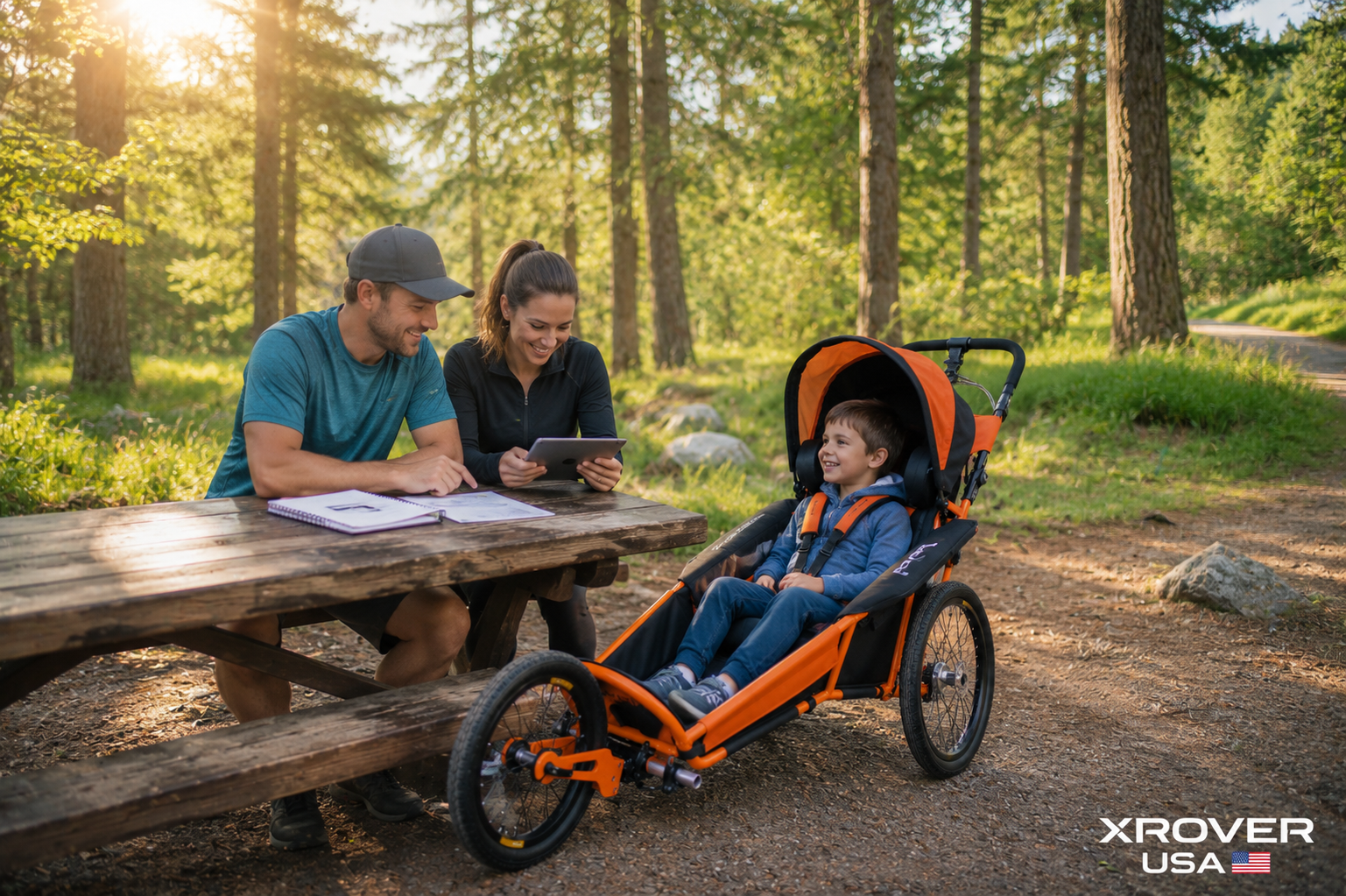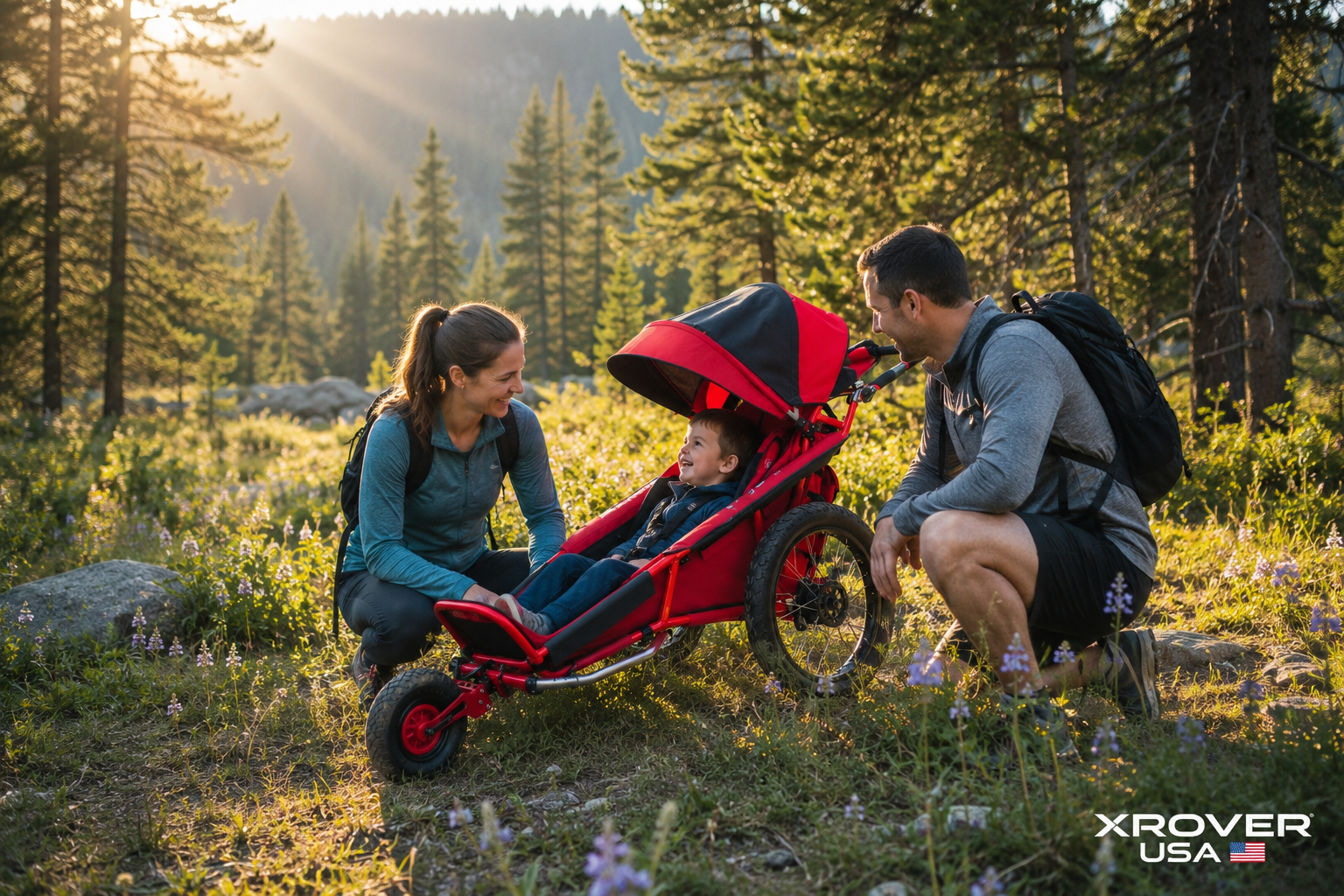
Choosing the right size adaptive stroller is one of the most important decisions you’ll make. A proper fit affects comfort, safety, posture, and long-term usability. Unlike standard strollers, adaptive strollers for special needs users must match the user’s body dimensions more precisely to provide adequate support during everyday use and outdoor activities.
Why Size and Fit Matter
A stroller that is too small can cause discomfort, poor posture, and pressure points. On the other hand, a stroller that is too large may reduce stability and proper positioning. The goal is to find a balance between a snug, supportive fit and enough space for natural movement.
Key Measurements You Should Know
Before choosing an adaptive stroller, it’s important to measure the user correctly. Focus on these core dimensions:
- Seat width: Measure hip width while seated. Add a small margin (1–2 inches) for comfort.
- Seat depth: Measure from the back of the hips to the back of the knees. Proper depth supports the thighs without pressure behind the knees.
- Back height: Measure from the seat to the shoulders or head, depending on required support.
- Lower leg length: Determines correct footrest positioning.
- Total height and weight: Ensure the stroller meets both current and future needs.
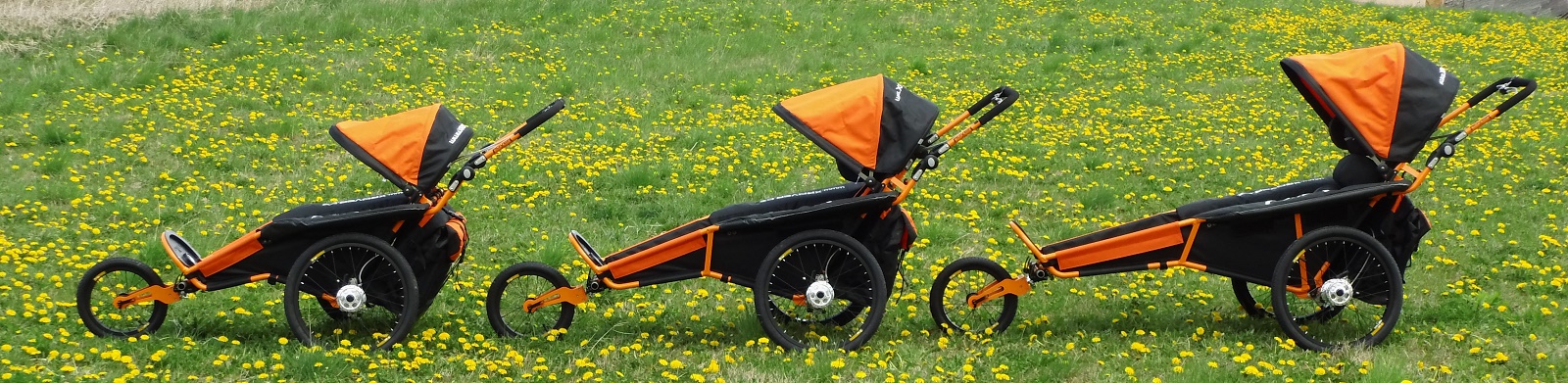
Seat Width vs. Seat Depth: Why It Matters
These two dimensions are often overlooked, yet they are critical for comfort:
- Seat width affects lateral stability and comfort. Too narrow causes pressure; too wide reduces support.
- Seat depth supports the thighs. Too short leads to poor posture; too long can restrict circulation.
A well-balanced seat improves positioning, reduces fatigue, and enhances overall user comfort during longer outings.
Weight Capacity and Long-Term Fit
Weight capacity is not just a safety number—it also impacts durability and performance. Always choose a stroller with a capacity that comfortably exceeds the user’s current weight.
It’s also smart to consider long-term use. If the user is still growing or if the stroller will be used with winter clothing, accessories, or support inserts, selecting a slightly larger size can be beneficial.
When to Size Up (and When Not To)
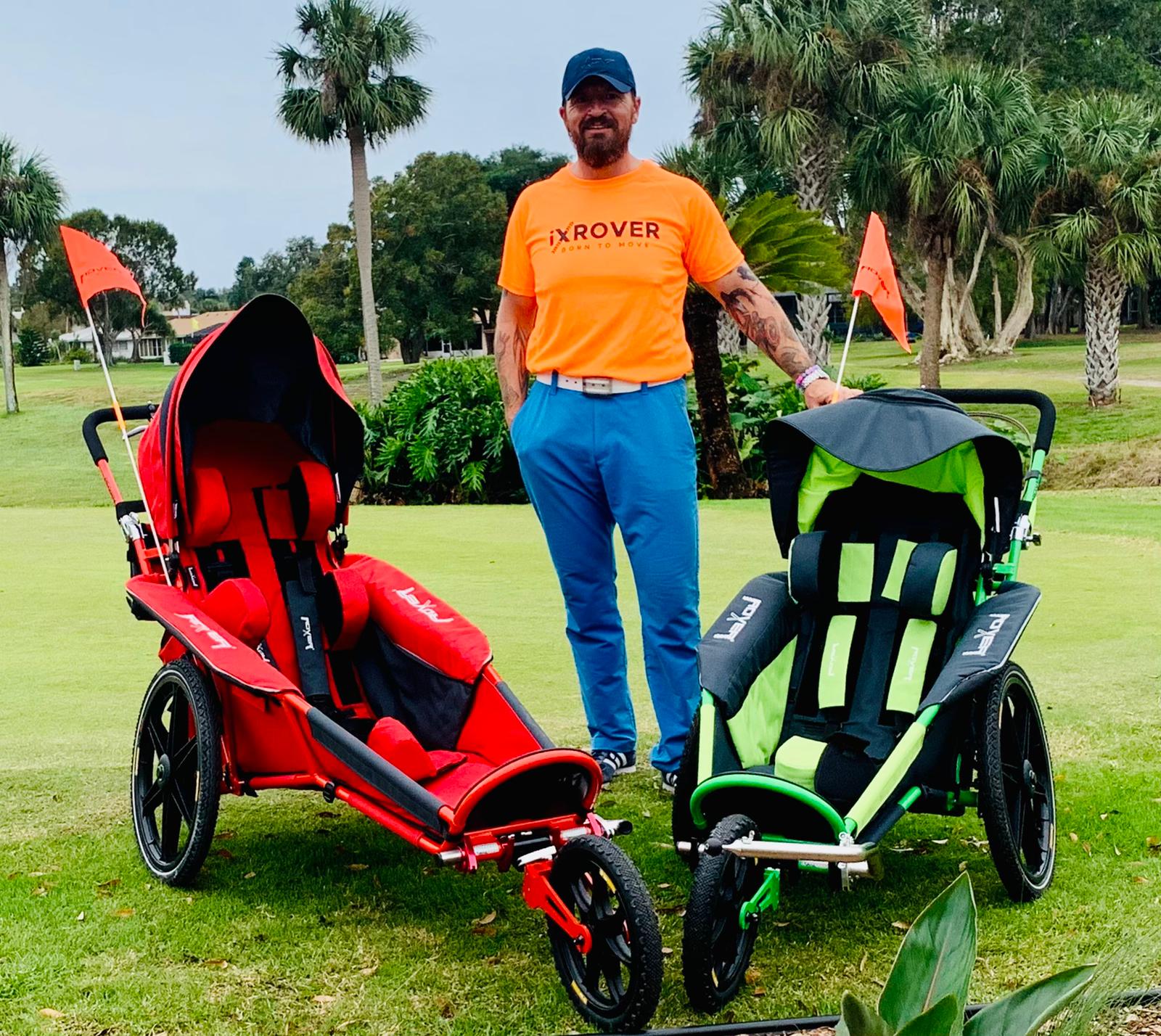
Sizing up can be helpful in some cases, but it should be done carefully:
- Size up if: the user is growing, needs additional support equipment, or will use the stroller year-round.
- Avoid oversizing if: the user requires precise positioning or has limited trunk control.
The best fit is not the biggest size—it’s the most supportive and stable one.
Quick Checklist Before Choosing
- Have you measured seat width and depth?
- Does the stroller support the user’s weight comfortably?
- Is there enough back support for posture needs?
- Will it still fit with clothing or accessories?
- Is it suitable for your typical terrain and usage?
Final Thoughts
Choosing the right size adaptive stroller is about more than just numbers. It’s about ensuring comfort, safety, and freedom of movement. A properly fitted stroller allows users and caregivers to enjoy longer outings, better support, and a more active lifestyle together.