5 Signs Your Family May Be Ready for Adaptive Outdoor Mobility
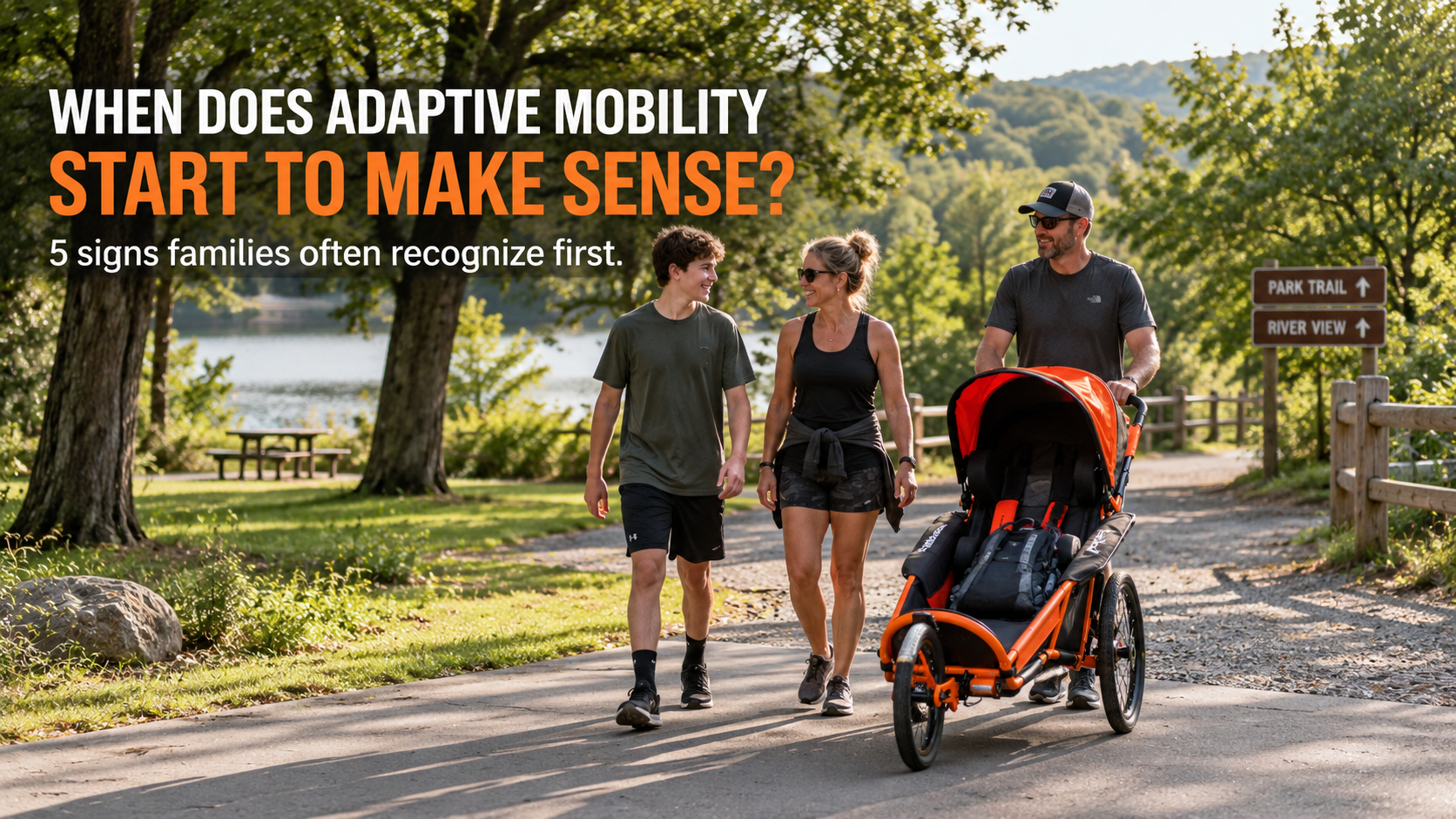
Sometimes the question isn't whether someone can walk. It's whether mobility challenges are beginning to limit the life your family wants to live.
For many families, the decision to explore adaptive mobility doesn't happen overnight.
There may not be one specific moment when everything changes.
Instead, families often begin noticing small things.
A walk becomes shorter.
A day at the zoo requires more breaks.
A family hike gets skipped.
Someone stays behind.
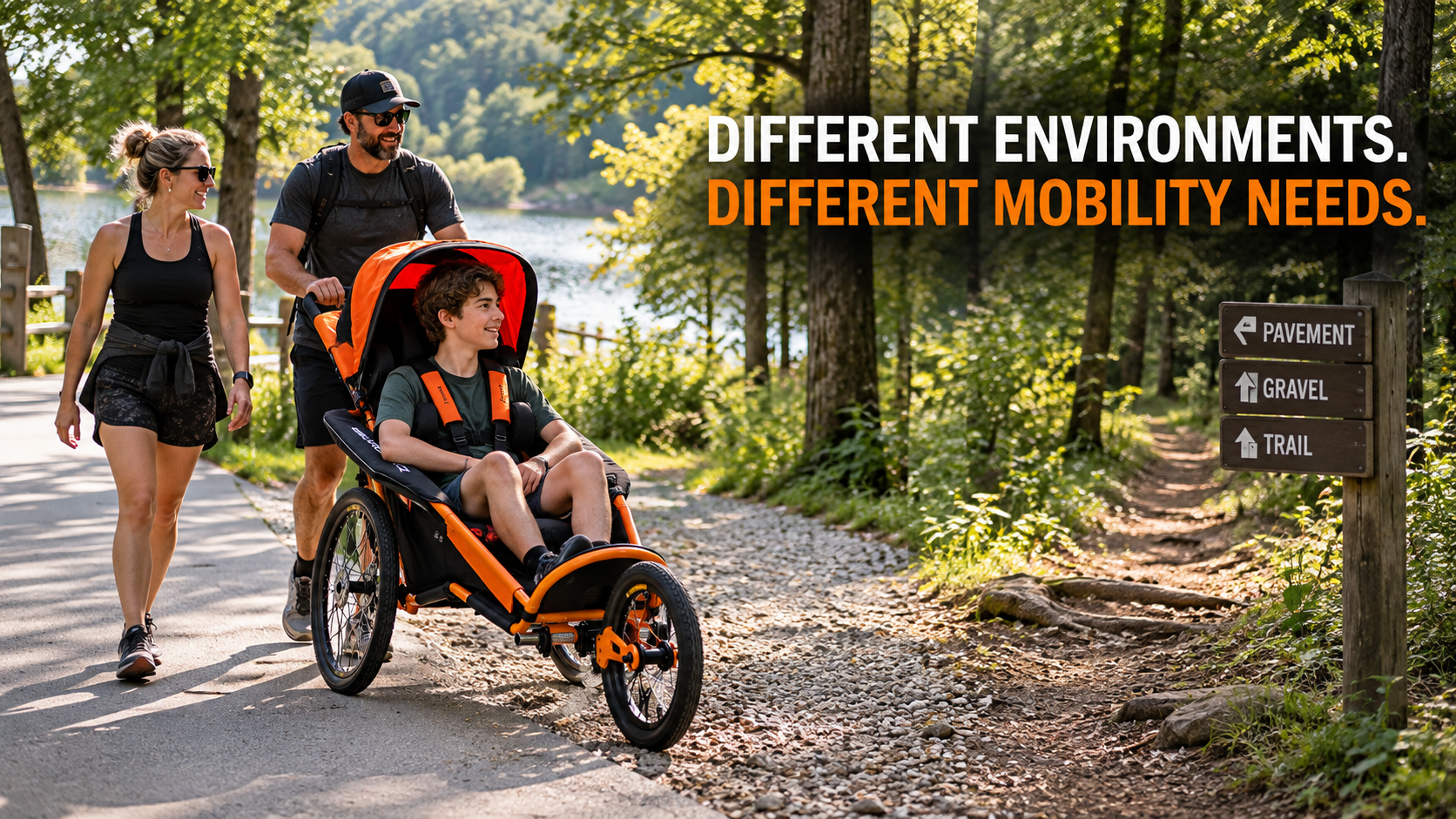
A wheelchair works perfectly in everyday environments — but becomes difficult when the pavement ends.
Or a child, teenager, or adult can still walk, but distance, fatigue, balance, safety, or terrain begins limiting how much of the day they can enjoy.
These moments can raise an important question:
Would another mobility option help us do more together?
Here are five signs that it may be worth starting that conversation.
1. Your Family Is Planning Activities Around Mobility Limitations
Maybe you used to choose a destination because everyone wanted to go there.
Now another question comes first:
“Will we be able to manage it?”
The trail may be too uneven.
The park may involve too much walking.
The beach may be difficult to access.
A festival may require several hours on your feet.
A vacation itinerary may have to be shortened.
When mobility begins determining where the entire family can go, it may be time to consider whether another mobility solution could expand those choices.
2. Walking Is Possible — But Not for the Entire Activity
This is an important distinction.
Adaptive mobility isn't only for people who cannot walk.
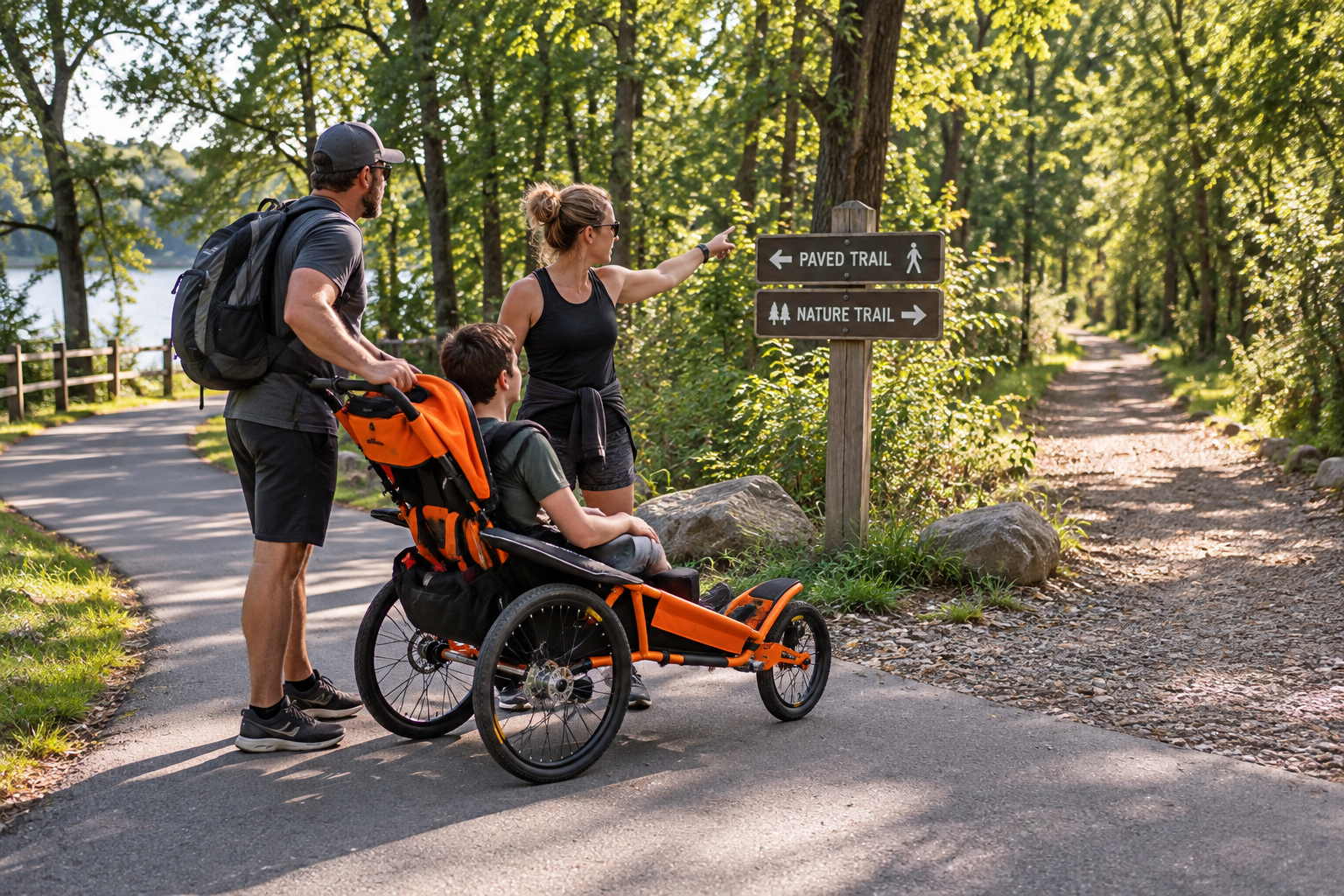
A child, teenager, or adult may be independently ambulatory and still experience challenges with endurance, balance, longer distances, uneven terrain, sensory regulation, safety, or fatigue later in the day.
In these situations, mobility doesn't have to be an either/or decision.
Walk when walking works.
Ride when support is helpful.
Keep participating.
The objective isn't to replace movement.
It is to create another option when the environment, distance, or activity demands more.
For some families, that can mean walking part of an outing and using adaptive mobility for another part — allowing the person to remain involved without requiring the entire activity to end.
3. The Equipment That Works Every Day Doesn't Work Everywhere
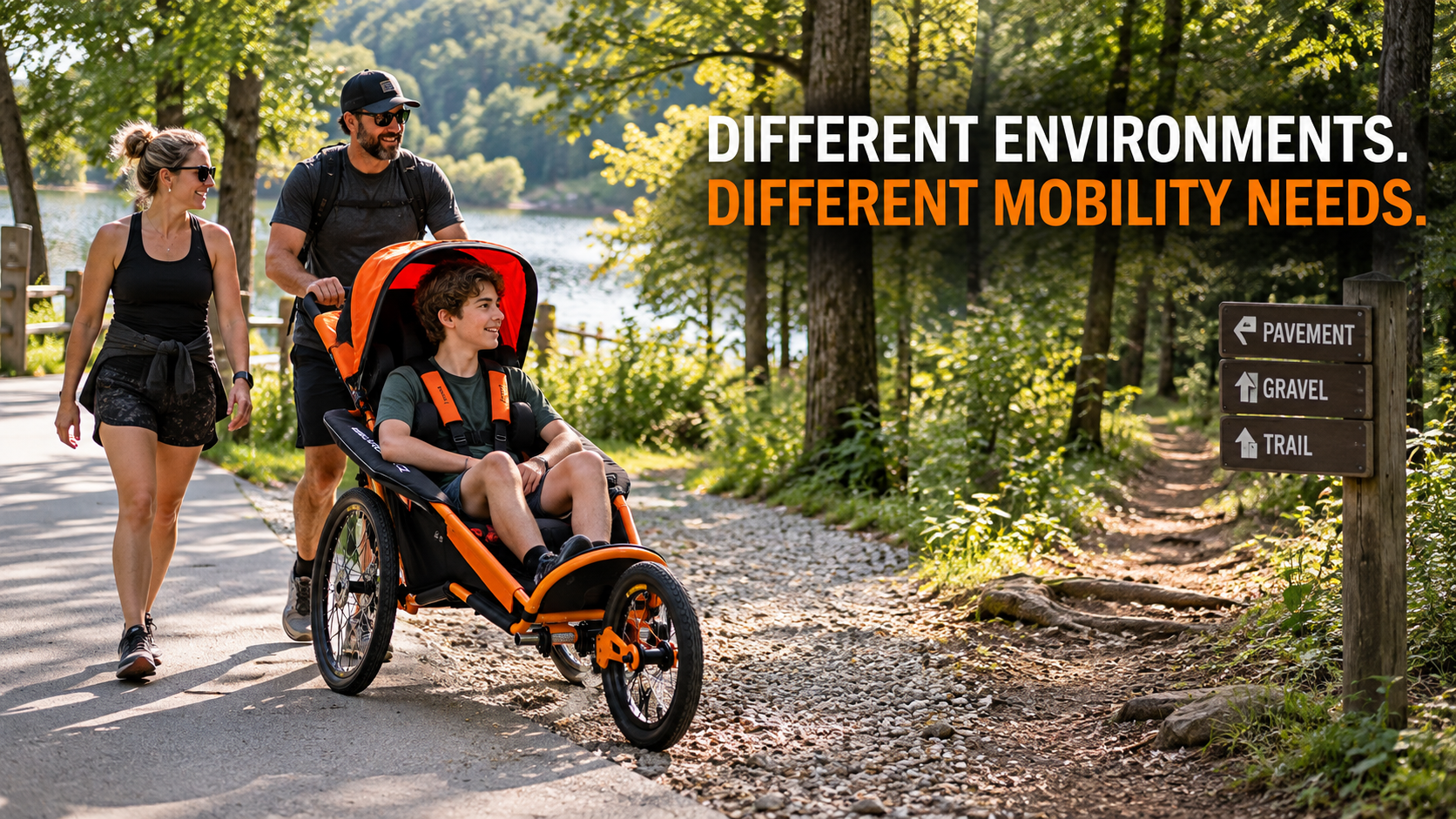
A mobility device can be excellent for school, home, medical appointments, shopping centers, and paved environments.
But outdoor environments introduce different challenges.
Grass. Gravel. Roots. Uneven trails. Sand. Snow. Longer distances.
That doesn't mean everyday mobility equipment is inadequate.
It simply means different environments can require different tools.
For some families, adaptive outdoor mobility becomes a complementary solution — something designed for the environments where their everyday equipment reaches its practical limits.
The goal isn't to replace a wheelchair, walking, or another mobility solution that already works.
The goal is to add another option for the places where the family wants to go.
4. Outings Are Ending Before the Family Is Ready to Leave
Sometimes mobility isn't preventing a family from going somewhere.
It's determining how long they can stay.
Maybe everyone reaches the zoo — but leaves after two hours.
Maybe the family gets to the park — but doesn't take the longer trail.
Maybe a sibling's sporting event becomes difficult to finish.
Maybe fatigue turns the final part of an otherwise wonderful day into the hardest part.
This is why mobility isn't only about distance.
It can also be about time.
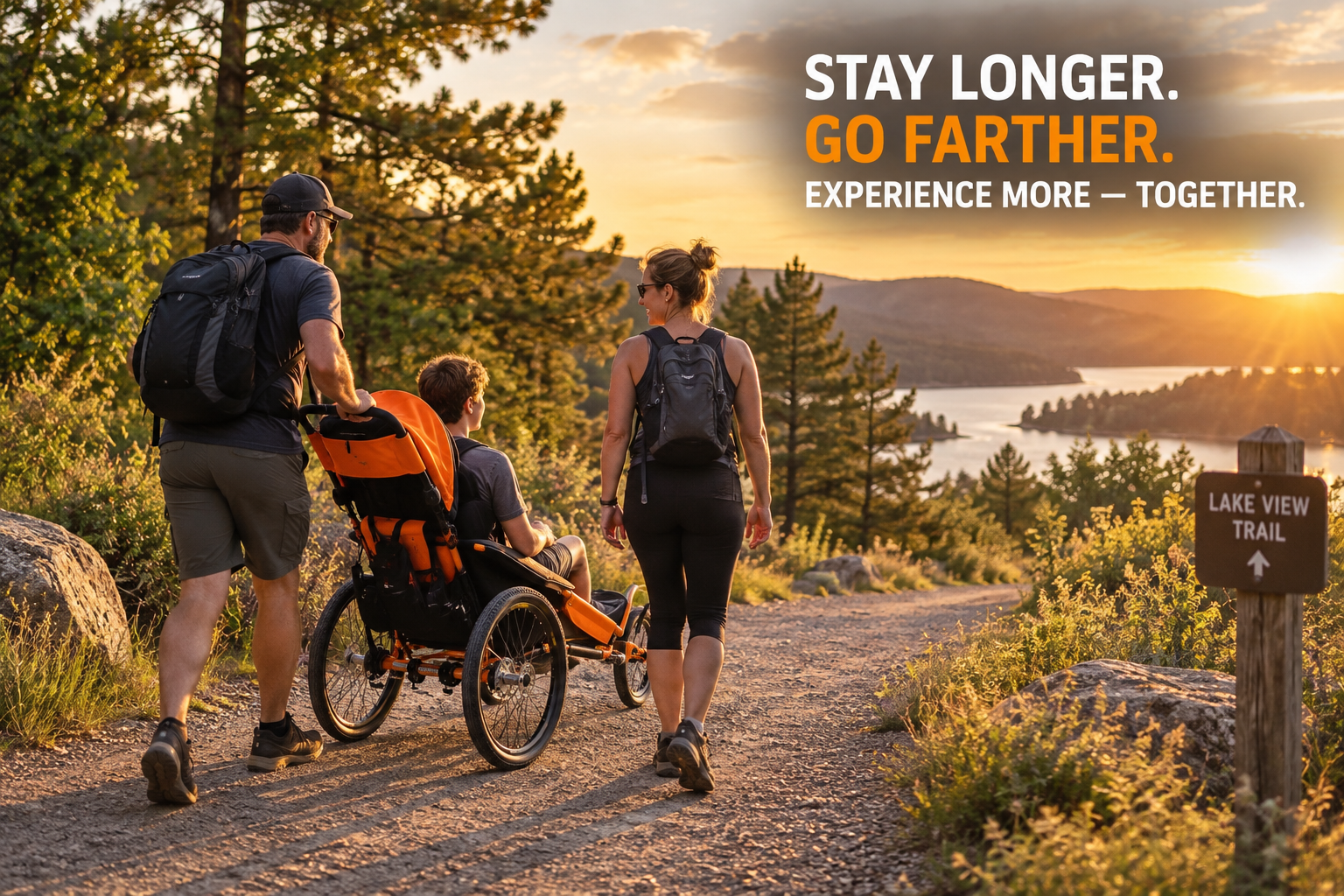
Another hour at the park.
Finishing the family walk.
Staying for the entire event.
Exploring one more trail.
Those extra moments can make an enormous difference to family participation.
5. Someone Is Starting to Miss Out
This may be the most important sign of all.
When one person's mobility needs begin determining whether they can participate — or whether the entire family participates — the conversation becomes bigger than equipment.
It becomes about inclusion.
Family experiences.
Choice.
Independence.
And being part of what everyone else is doing.
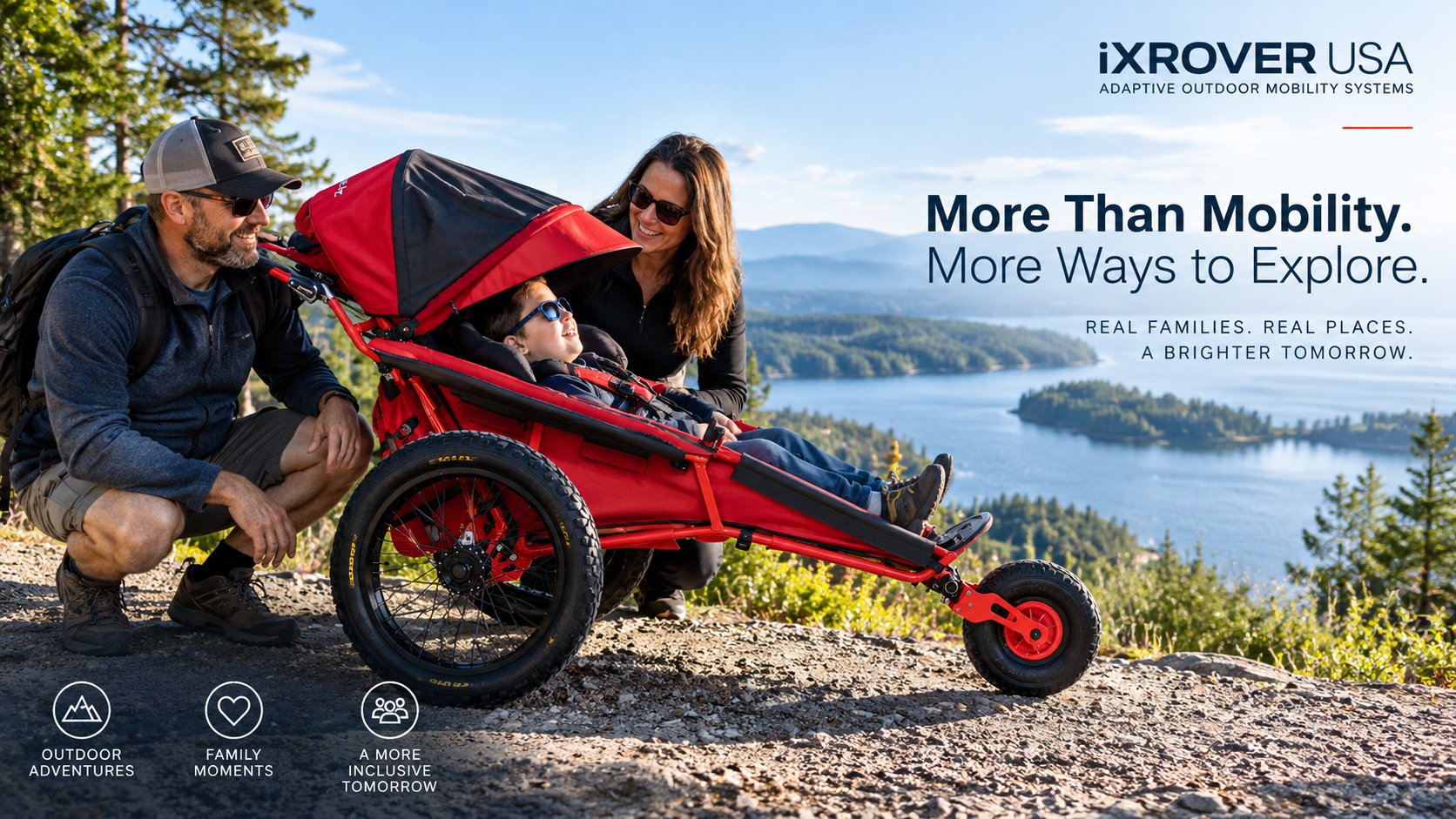
The objective of adaptive outdoor mobility isn't simply to move someone from one place to another.
It's to help make participation possible.
You Don't Need to Know Which xROVER You Need
If some of these situations sound familiar, you don't need to begin by choosing a model.
And you don't need to understand every configuration or accessory.
Start with the person.
Tell us:
Who will be using it?
How do they move today?
Where does your family want to go?
What tends to limit your outings now?
What would you like to be able to do together?
From there, the xROVER USA team can help evaluate size, positioning needs, intended activities, terrain, and the appropriate configuration.
Because the first question shouldn't be:
“Which stroller should we buy?”
It should be:
“What would we like to be able to do together?”
At xROVER USA, we believe adaptive mobility should begin with the person, the family, and the life they want to live.
The equipment comes next.
READY TO BUY?
Get Your Personalized xROVER Recommendation
Tell us about the passenger, mobility needs, activities, and terrain. We'll help you identify the appropriate xROVER size and configuration.
GET YOUR xROVER RECOMMENDATION
NEED FUNDING?
Explore xROVER Funding Assistance
Depending on your circumstances and state, potential funding pathways may include insurance, Medicaid, waiver programs, regional programs, grants, or other resources.
Our process begins with a FREE Initial Funding Screening to help determine whether a realistic funding pathway may be available for your family.
xROVER USA
Adaptive Outdoor Mobility — Built Around the Person.