1. Will My Child Still Fit in Two Years?
Children grow, and mobility needs can change.
Ask about:
-
Maximum user height
-
Weight capacity
-
Seat dimensions
-
Legroom
-
Adjustability
-
Space for future growth
Choosing only for today's measurements may lead to another purchase sooner than expected.
A well-selected adaptive stroller should support both current needs and realistic future growth.
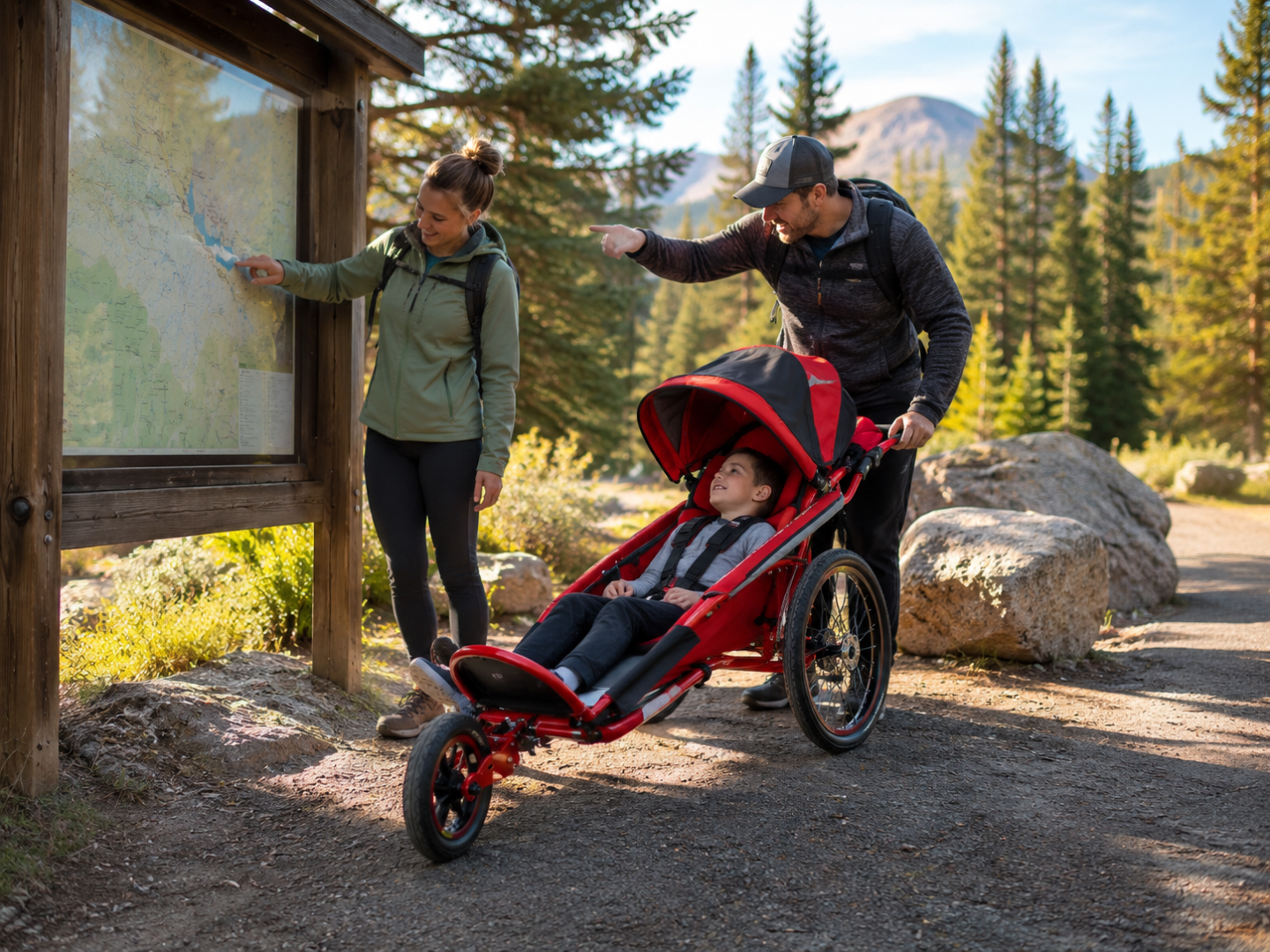
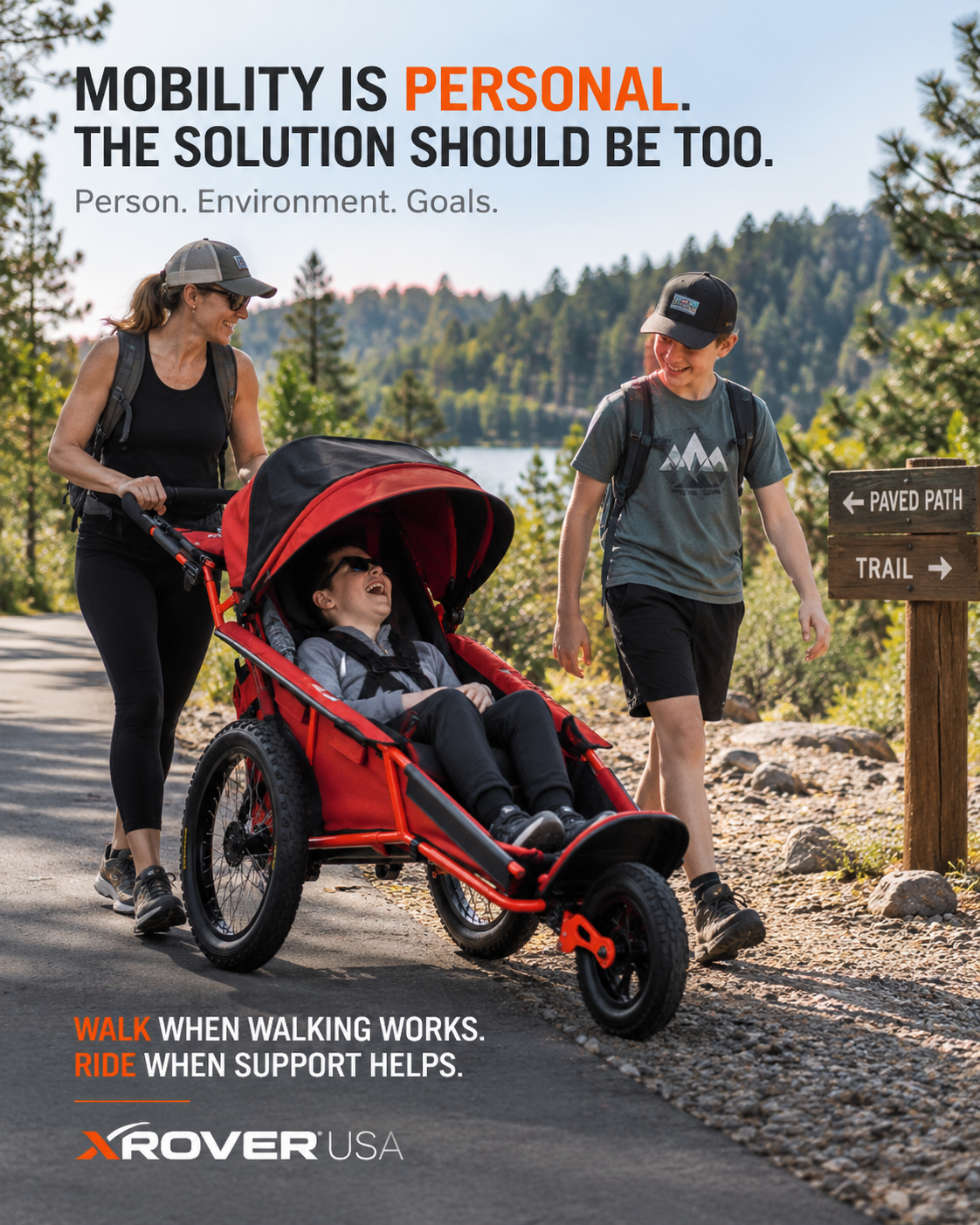
2. Can We Use It on Trails and Uneven Terrain?
Not every special needs stroller is designed for outdoor use.
Consider whether the stroller can handle:
-
Grass
-
Gravel
-
Forest trails
-
Uneven sidewalks
-
Parks
-
Campgrounds
-
Snow or sand
Large wheels, reliable brakes, stability, and outdoor-focused construction can make a significant difference.
3. Is It Travel Friendly?
Think about how your family travels.
Will the stroller fit into your vehicle?
Can it be folded or partially disassembled?
Is it practical for road trips, vacations, hotels, airports, and family visits?
A stroller can be excellent outdoors but still needs to work with your family's transportation routine.
4. Can Medicaid or Insurance Help?
Funding may be available depending on the child's medical needs, insurance plan, state, and available programs.
Families may explore:
-
Medicaid
-
HCBS Waivers
-
Private insurance
-
Nonprofit grants
-
Community funding
-
Payment and financing options
Ask what documentation the supplier can provide to support the application.
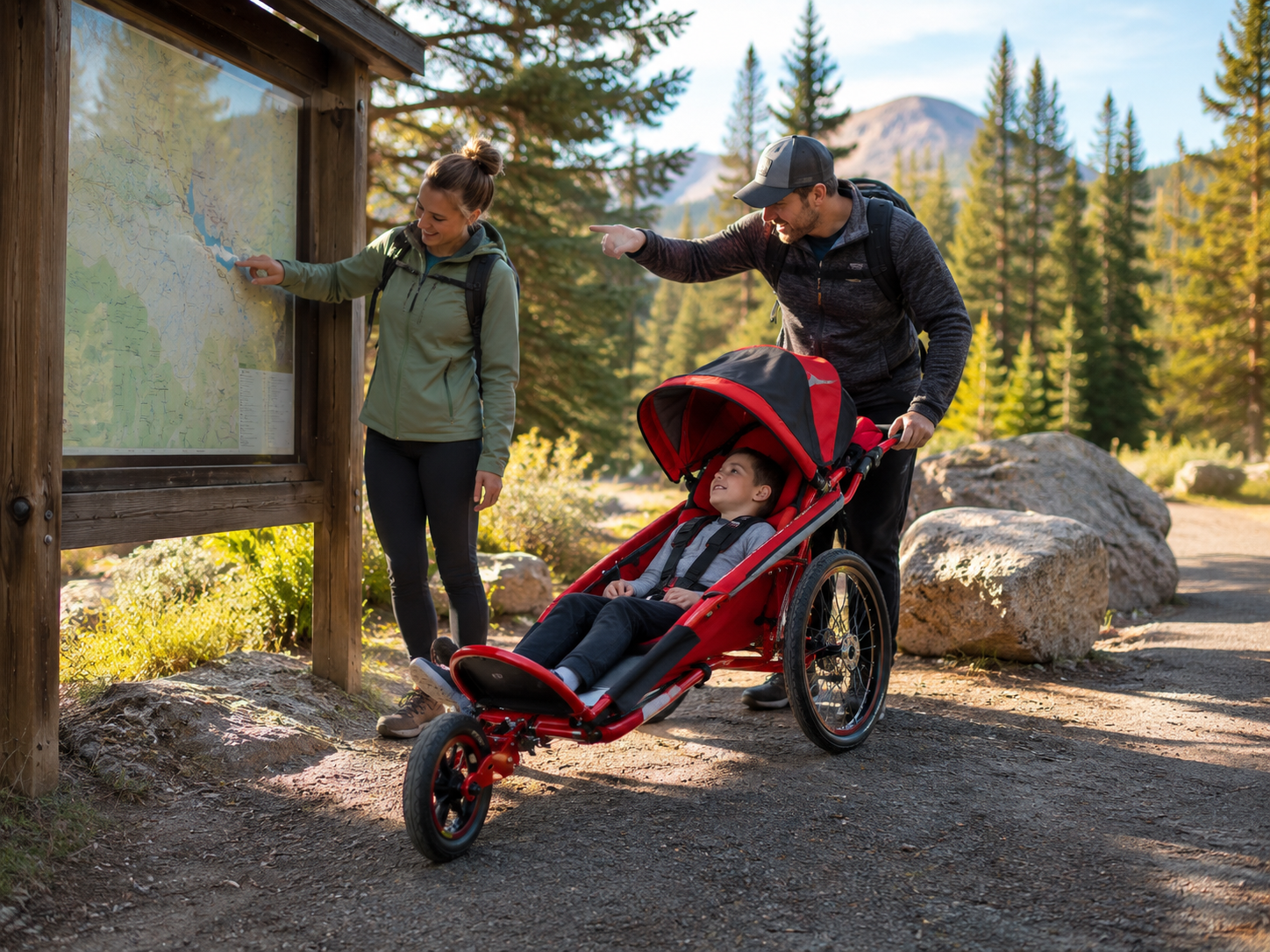
5. Can Parents and Grandparents Push It Comfortably?
The stroller should not only fit the child.
It should also be manageable for the people who will use it.
Consider:
-
Handle height
-
Steering
-
Braking
-
Overall weight
-
Balance
-
Performance on hills
-
Ease of loading
Whenever possible, think about every regular caregiver—not only the strongest person in the family.
6. Does It Support Head and Trunk Positioning?
Every user has different positioning needs.
Some may benefit from:
-
A supportive harness
-
Head support
-
Lateral trunk support
-
Pelvic positioning
-
Foot support
-
Additional padding
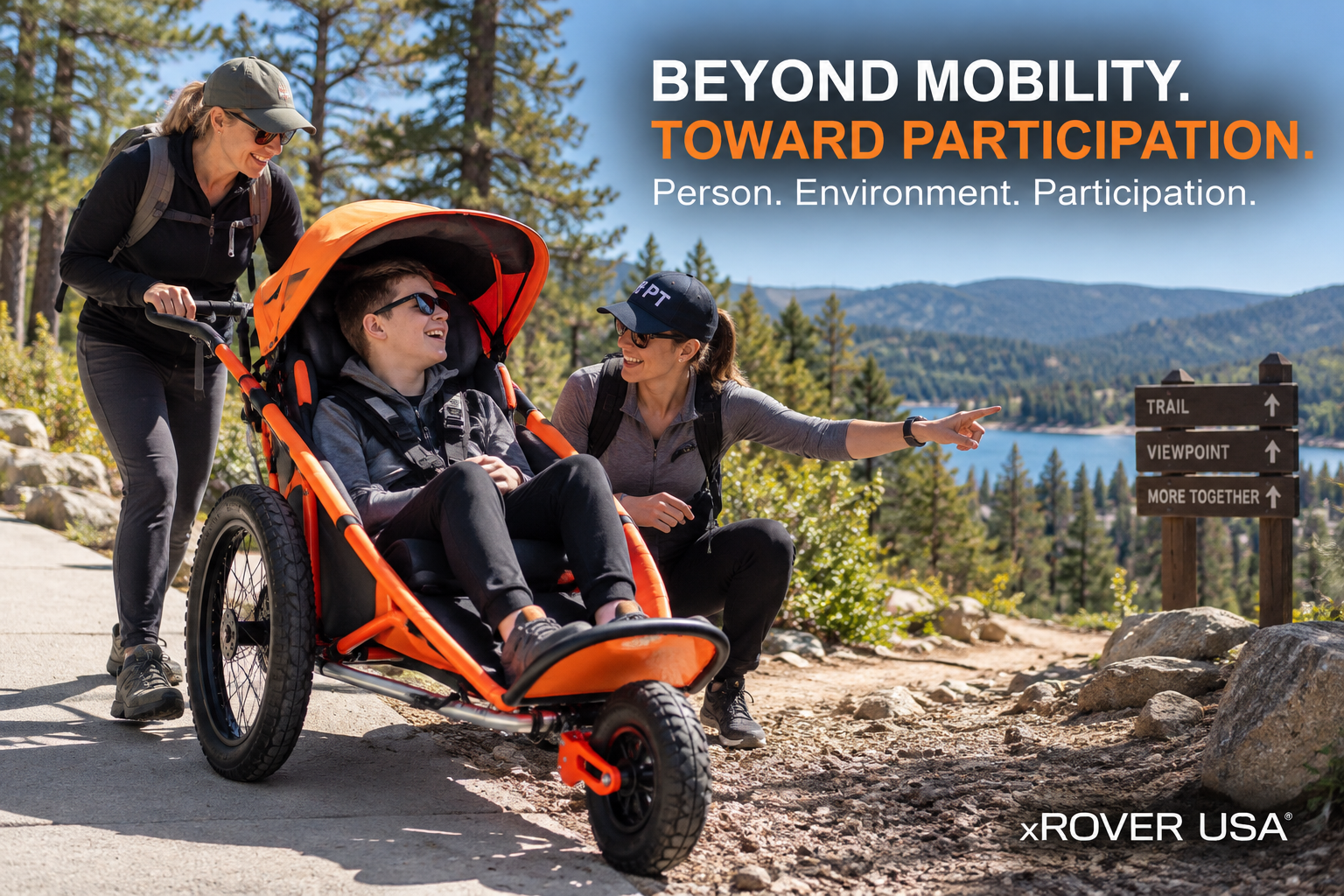
For children and adults with reduced head control, low muscle tone, scoliosis, or postural needs, the correct configuration is especially important.
A therapist or healthcare professional may help identify the most appropriate support.
7. Can We Use It at the Beach?
Standard wheels often sink into soft sand.
Families who regularly visit beaches should ask whether a dedicated beach configuration is available and whether it is suitable for the user's size and support needs.
Specialized beach wheels can create opportunities that may not be possible with a standard wheelchair or stroller.
8. Is It Designed for Long-Term Use?
A future-ready adaptive stroller should offer more than a high weight capacity.
Ask whether it can adapt to:
-
Growth
-
Changing mobility needs
-
New activities
-
Additional positioning support
-
Seasonal conditions
-
Different family adventures
A flexible system may provide greater long-term value than a product designed for only one purpose.
9. Which Accessories Do We Actually Need?
More accessories do not always mean a better solution.
The most useful accessories depend on how your family will use the stroller.
You may need:
-
A swivel wheel for everyday maneuverability
-
A fixed wheel for trails and running
-
A beach set
-
A ski set
-
Weather protection
-
A travel bag
-
Additional positioning support
-
Storage solutions
Start with your family's real priorities. Additional accessories can often be added later.
10. Who Will Help Us After the Purchase?
Support should not end when the stroller is delivered.
Before buying, ask:
-
Who will help with setup?
-
Who can answer fitting questions?
-
Are replacement parts available?
-
What warranty is included?
-
Can accessories be added later?
-
Who will assist if the user's needs change?
A strong long-term relationship with the supplier can be just as important as the product itself.
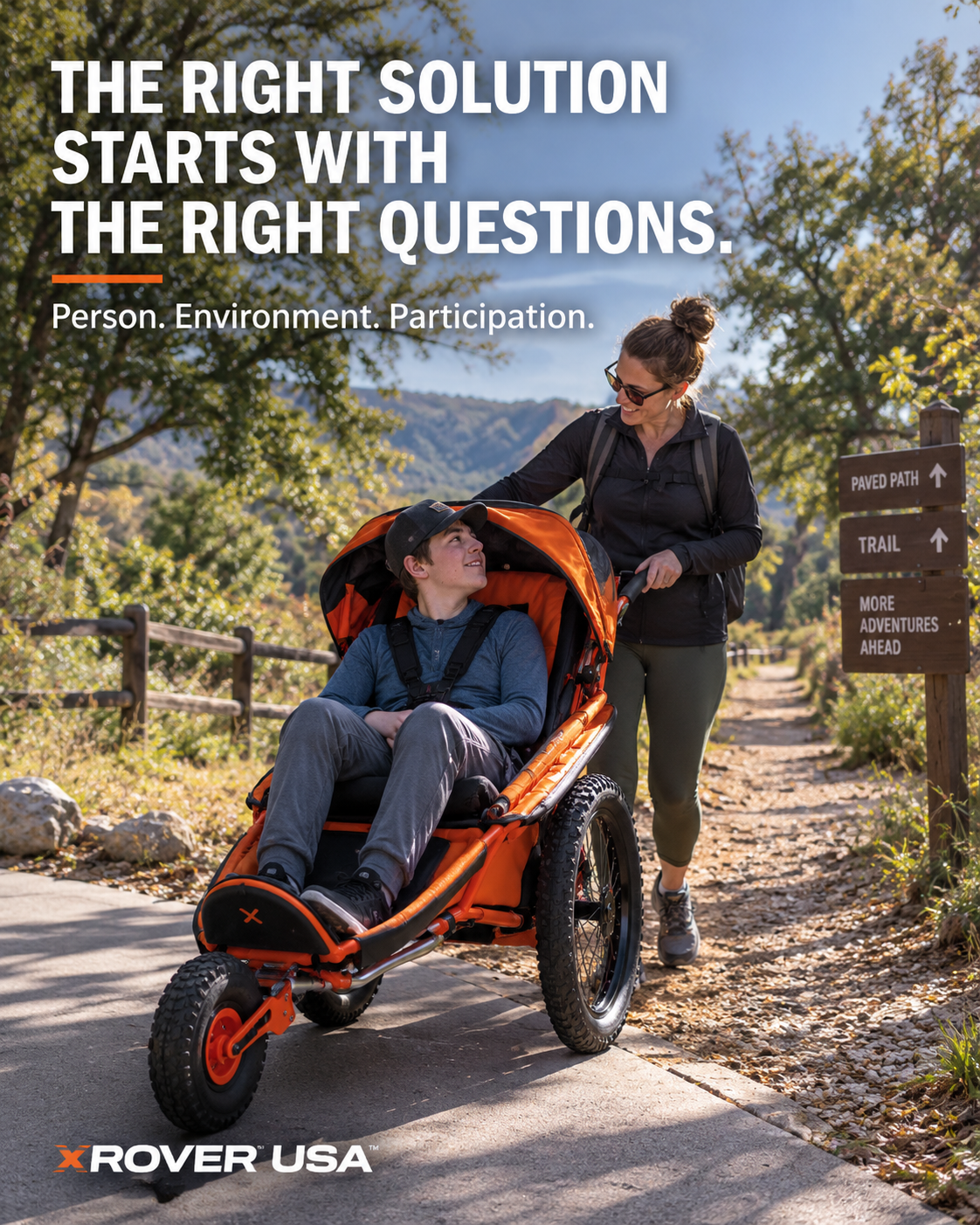
The Best Decision Starts With the Right Questions
There is no single adaptive stroller that is right for every family.
The best solution depends on the user's measurements, diagnosis, positioning needs, lifestyle, transportation, outdoor goals, and plans for the future.
At xROVER USA, every recommendation begins with a personalized Family Mobility Assessment™.
We learn about your family first.
Then we help you choose the right size, configuration, and accessories for today—and for the adventures ahead.
Need help comparing your options?
Contact xROVER USA for a personalized recommendation and funding guidance.