Why Some of the Best Family Memories Begin Outdoors
For many families, an outdoor adventure begins long before anyone reaches a trail, park, beach, or campground.
It begins with a simple decision:
Let’s try.
For families caring for a child or adult with mobility challenges, saying “yes” to an outdoor experience may require more planning. There may be questions about accessibility, comfort, endurance, transportation, terrain, weather, safety, and the right mobility equipment.
Those questions are real. But they do not have to end the adventure before it begins.
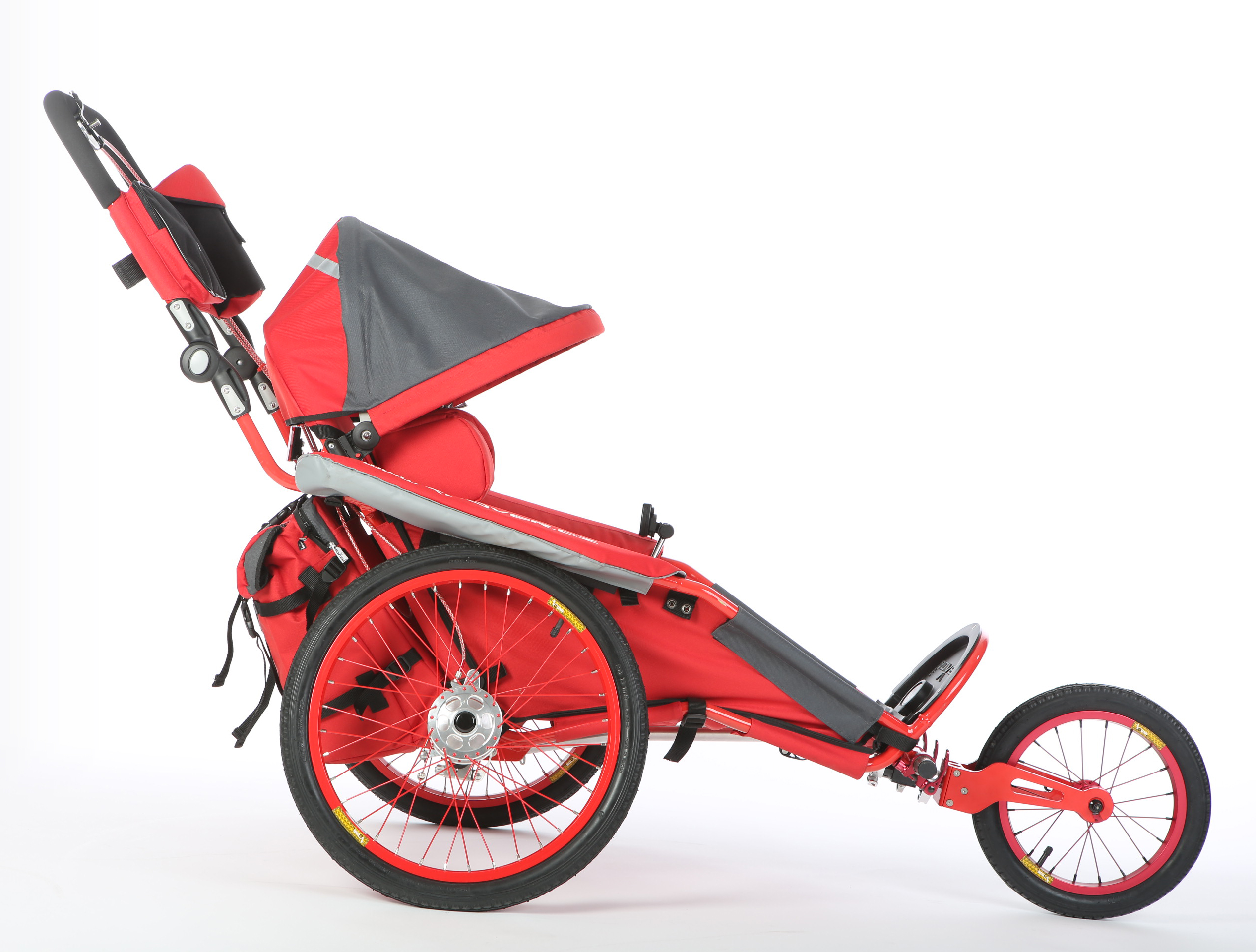
With thoughtful planning, professional guidance, and the right adaptive outdoor mobility solution, more families can experience nature, travel, community events, and everyday moments together.
Outdoor Time Is About More Than Recreation
Spending time outdoors is not only about reaching a destination.
It can create opportunities for:
-
Family connection
-
Social participation
-
Sensory experiences
-
Emotional well-being
-
Exploration and discovery
-
Greater participation in family routines
-
Shared memories
-
A stronger sense of inclusion
A walk through a local park may seem simple, but it can mean something much bigger to a family that has previously struggled with uneven terrain, limited endurance, or inaccessible pathways.
The goal is not always to travel farther.
Sometimes, the goal is simply to participate together.
Why Families Sometimes Say “No”
Many families gradually begin avoiding certain activities because traditional mobility equipment may not work well beyond smooth indoor surfaces or paved sidewalks.
Common concerns include:
-
Uneven trails
-
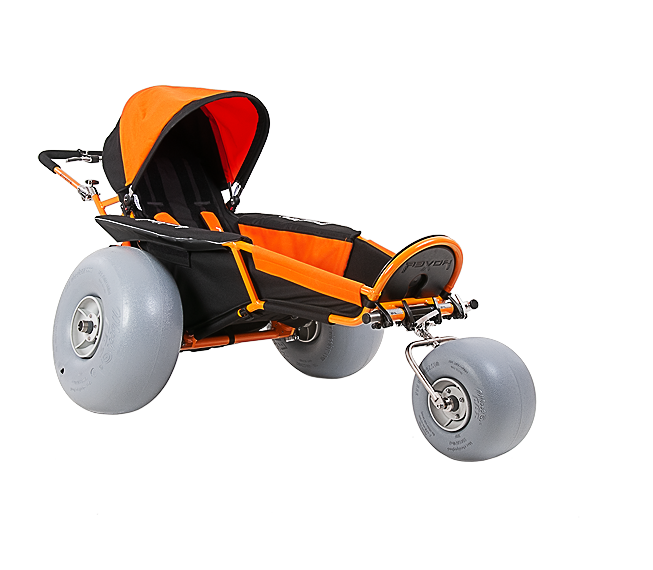
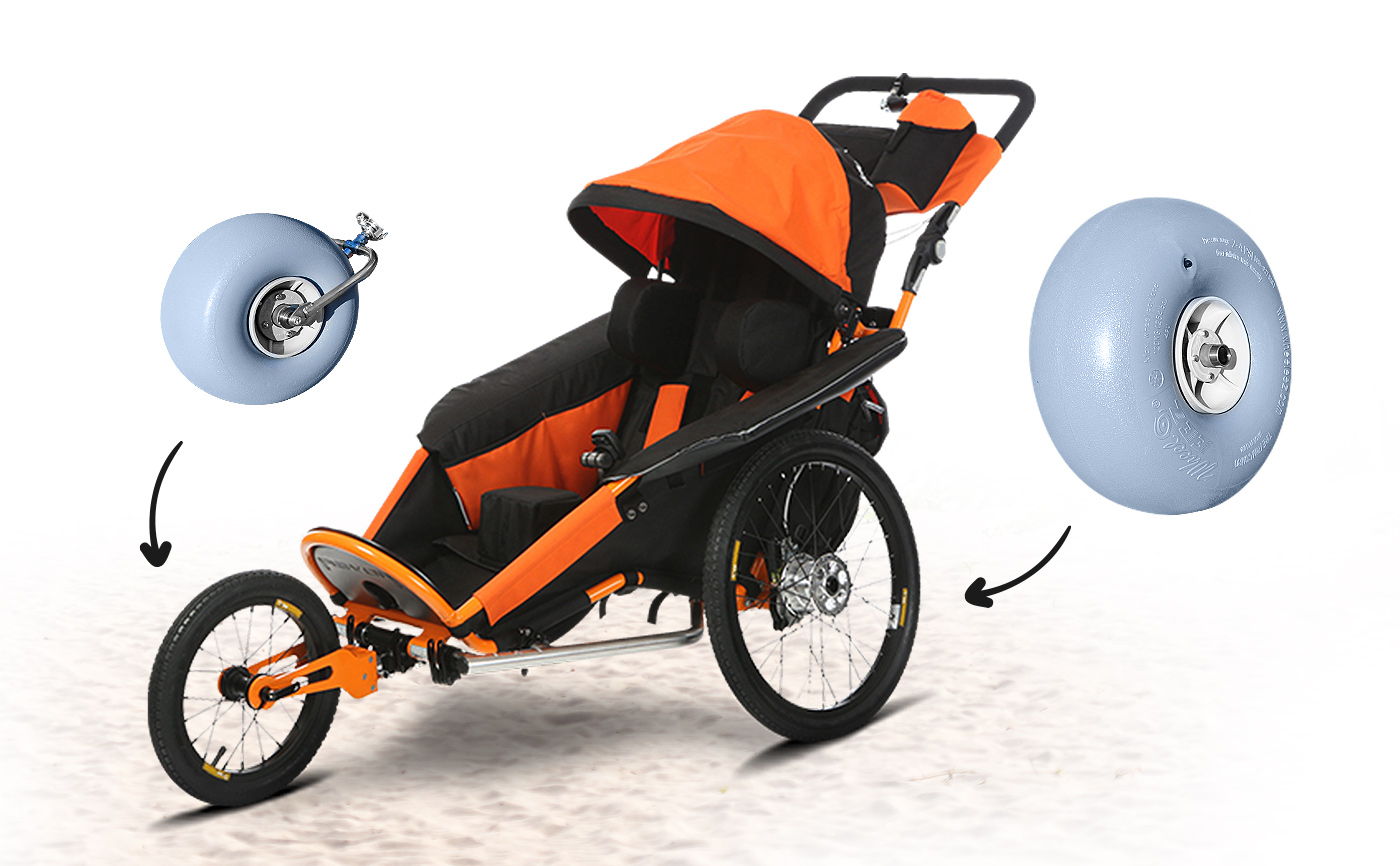
Grass, gravel, sand, or snow
-
Limited walking endurance
-
Fatigue during longer outings
-
A child becoming overwhelmed or needing a safe place to rest
-
Difficulty transporting conventional equipment
-
Uncertainty about accessibility
-
Fear that the outing may become too physically demanding
Over time, these barriers can reduce not only outdoor activity but also family spontaneity.
Parents may begin declining invitations, avoiding travel, or shortening activities because they are unsure whether their child will remain comfortable and supported.
The right solution should help reduce those barriers—not create new ones.
The First Adventure Does Not Need to Be Big
Families do not need to begin with a national park, a mountain trail, or a week-long vacation.
The first step may be:
-
A walk through the neighborhood
-
A visit to a nearby park
-
A family picnic
-
A botanical garden
-
A school event
-
A farmers market
-
A local zoo
-
An outdoor concert
-
A short nature trail
-
An afternoon at the beach
Small, successful experiences help families learn what works.
They provide an opportunity to understand seating comfort, transportation needs, weather preparation, accessory requirements, and how much support may be needed during a longer outing.
Confidence often grows one experience at a time.
Choosing Mobility Around the Family’s Real Life
An adaptive outdoor mobility solution should not be selected only by looking at age, height, weight, or diagnosis.
Those details are important, but they are only part of the picture.
A meaningful recommendation should also consider:
-
Current mobility abilities
-
Walking endurance
-
Head and trunk control
-
Positioning needs
-
Growth potential
-
Family activities
-
Typical terrain
-
Travel plans
-
Vehicle storage
-
Transfers
-
Clinical recommendations
-
Long-term goals
Two children with the same diagnosis may have completely different mobility needs.
One family may need support primarily for local parks and community events. Another may be planning hiking trips, beach vacations, family bike rides, or regular outdoor recreation.
The right recommendation begins by understanding the person and the family—not simply the diagnosis.
Participation Matters
Mobility is not only about moving from one place to another.
It is about being present.
It is about joining siblings on a family walk, attending a community festival, exploring a trail, visiting grandparents, traveling on vacation, or spending a quiet afternoon outside.
A well-matched adaptive mobility solution may help reduce fatigue and make longer activities more manageable. It can also give families greater flexibility when walking ability changes throughout the day.
For some individuals, walking may still be an important part of the outing. Adaptive mobility can provide a place to rest when needed without ending the activity for the entire family.
The goal is not to replace ability.
The goal is to support participation.
Planning Makes “Yes” Easier
Before an outdoor activity, families can ask a few practical questions:
-
What type of terrain should we expect?
-
How long will the outing last?
-
Is shade or shelter available?
-
Are accessible restrooms nearby?
-
Will the person need additional positioning support?
-
Do we need rain, sun, or cold-weather protection?
-
How will the mobility equipment be transported?
-
Is there a backup plan if the weather changes?
-
Is the route truly accessible for the equipment we plan to use?
Planning does not remove the joy or spontaneity from an adventure.
It creates the confidence needed to begin.
You Do Not Have to Figure Everything Out Alone
Choosing adaptive mobility equipment can feel overwhelming.
Families may be comparing stroller sizes, seating options, terrain capabilities, accessories, funding pathways, and long-term growth considerations—all at the same time.
Professional support can make the process clearer.
At xROVER USA, our approach begins with learning about the child or adult, the family’s routines, and the experiences they hope to enjoy.
The goal is not simply to recommend a product.
The goal is to help identify a mobility solution that fits real family life.
Start With One Meaningful Goal
Instead of asking, “Can we do everything?” begin with a more focused question:
What is one experience our family would love to enjoy together?
Maybe it is:
-
Walking a favorite trail
-
Visiting the beach
-
Taking a family vacation
-
Attending a sibling’s sporting event
-
Exploring a national park
-
Spending more time outside after school
-
Joining friends at a community event
That one goal can become the starting point for better planning, the right equipment recommendation, and many future experiences.
Every Family’s Adventure Looks Different
Adventure does not have to be extreme.
It does not have to be far away.
It does not need to look like anyone else’s experience.
Adventure may be a mountain trail.
It may also be a quiet walk through the park, an evening watching Christmas lights, a trip to the zoo, or simply staying outside together a little longer.
What matters is the opportunity to participate, connect, and create memories as a family.
Every adventure begins somewhere.
Sometimes, it begins with the right mobility solution.
But first, it begins with saying:
Yes. Let’s go together.
xROVER USA Expert Tip
Choose one realistic outdoor goal for your family and use it as the foundation for mobility planning.
A clear goal helps professionals better understand the terrain, endurance, positioning, transportation, and equipment requirements that matter most to your family.
Ready to Explore What May Be Possible?
The xROVER USA team provides personalized guidance for families considering adaptive outdoor mobility.
Our recommendation process considers the individual’s functional needs, growth, comfort, family activities, typical terrain, transportation, and long-term goals.
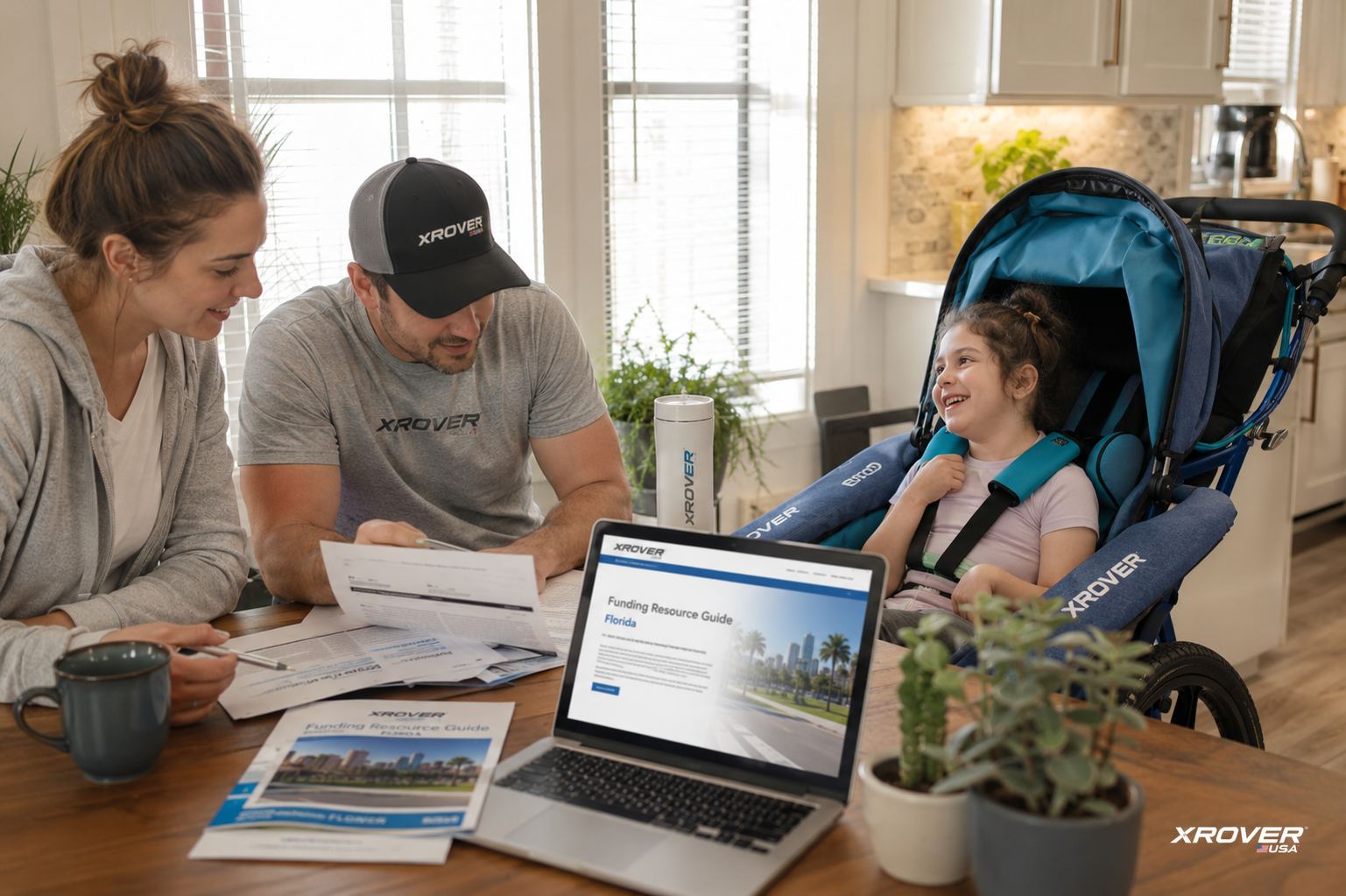
Explore our Family Resources, Funding Assistance Center, and Outdoor Lifestyle Planning guides to begin building your family’s next adventure.
Disclaimer: This article is provided for general educational purposes only and is not a substitute for medical, therapeutic, or clinical advice. Families should consult qualified healthcare professionals when evaluating mobility equipment, positioning, safety, and individual functional needs.