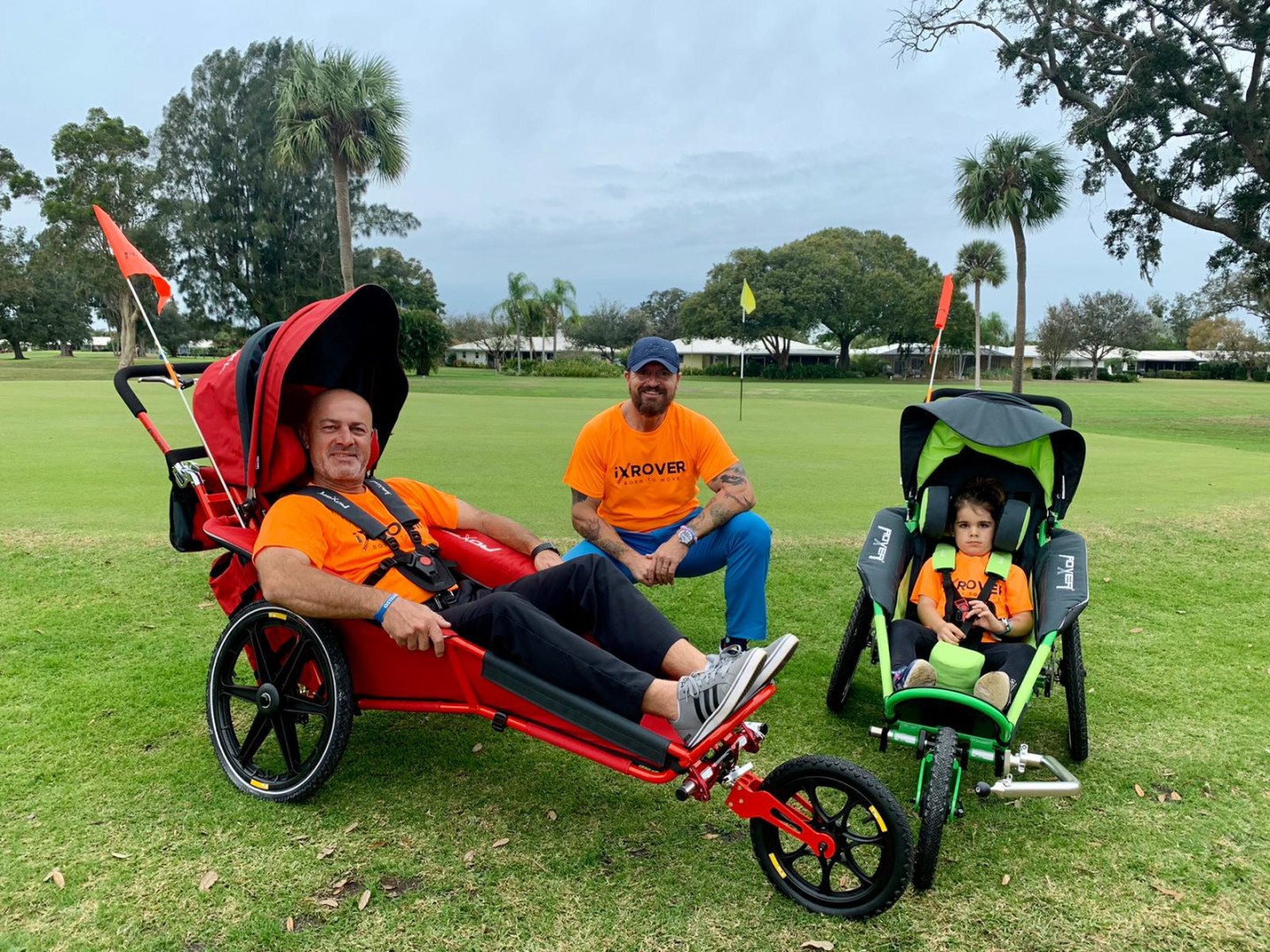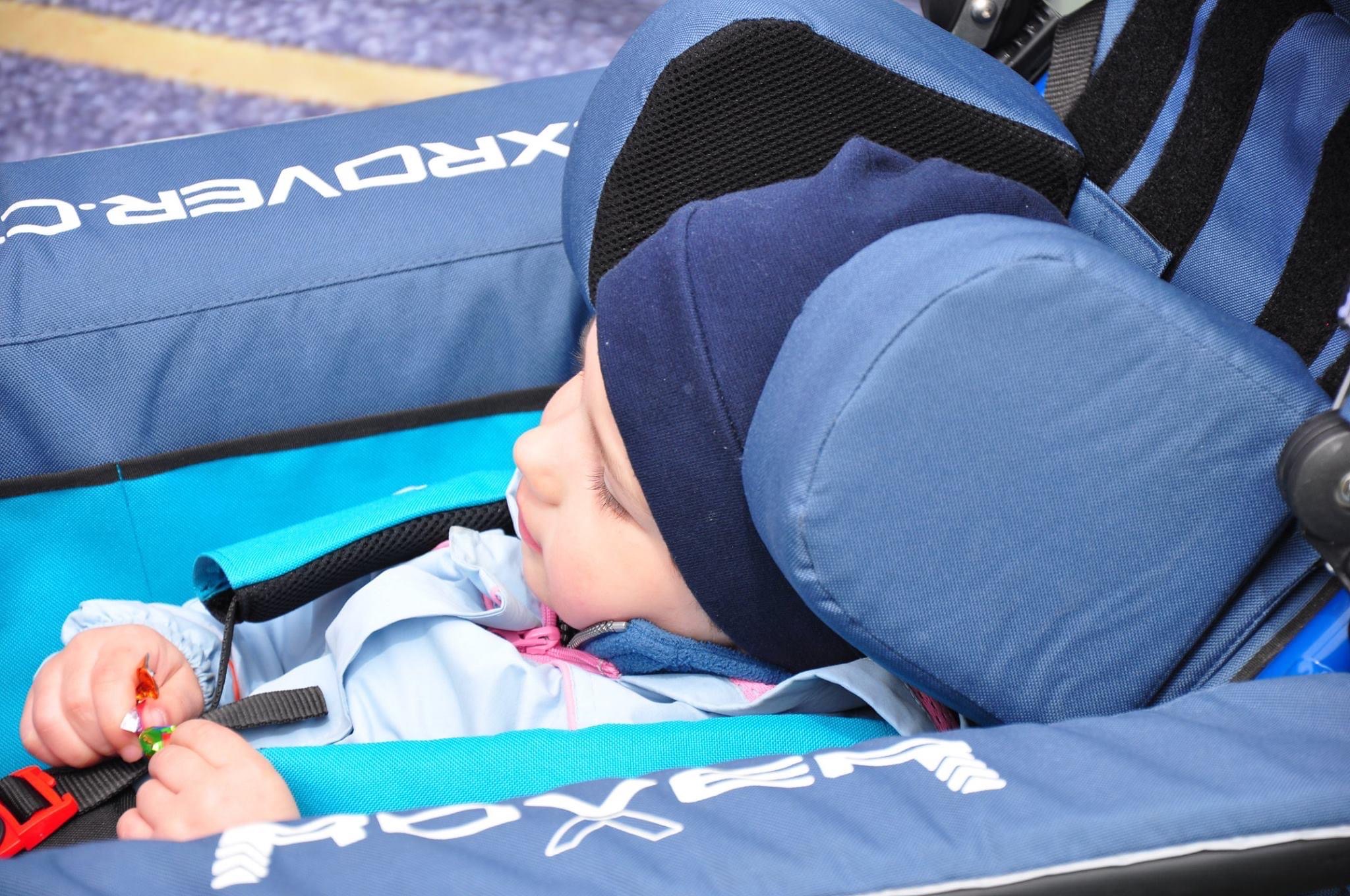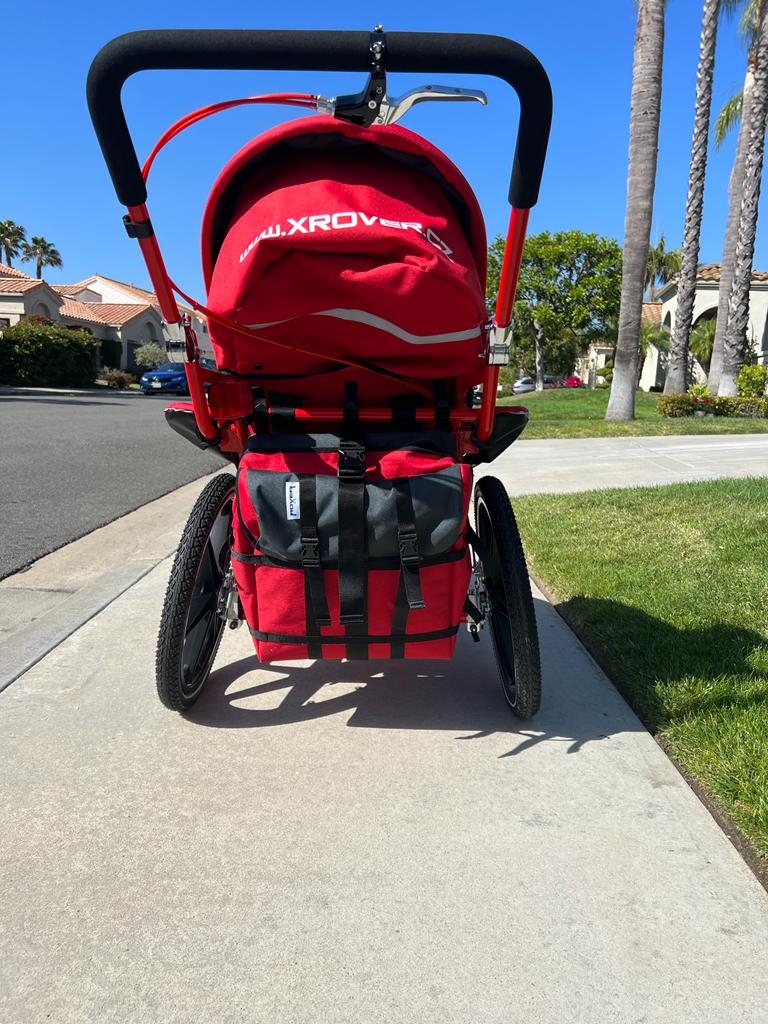
For many families, a special needs stroller can make daily life significantly easier. Whether you're taking a walk through the neighborhood, visiting a theme park, traveling, or simply running errands, having the right mobility equipment can improve comfort, safety, and independence for both the user and caregiver.
One of the most common questions families ask is:
"Will insurance cover the cost of a special needs stroller?"
The answer is: sometimes, yes. However, coverage depends on several factors including your insurance provider, medical necessity, the individual's diagnosis, and the type of equipment being prescribed.
This guide explains how insurance coverage typically works and what steps you can take to improve your chances of approval.
What Is Considered a Special Needs Stroller?
A special needs stroller is designed for children, teens, or adults who require additional support beyond what a standard stroller can provide.
These adaptive mobility devices often include:
- Higher weight capacities
- Enhanced positioning support
- Adjustable seating systems
- Safety harnesses
- Improved stability over different terrains
- Accommodation for medical equipment
Special needs strollers are commonly used by individuals with:
- Cerebral palsy
- Autism spectrum disorder
- Muscular dystrophy
- Down syndrome
- Developmental disabilities
- Neurological conditions
- Mobility impairments
Does Health Insurance Cover Special Needs Strollers?
In some cases, private health insurance may provide partial or full coverage if the stroller is considered medically necessary.
Insurance companies generally look for evidence that:
- The individual has a diagnosed medical condition.
- A standard stroller or mobility aid is insufficient.
- The equipment is necessary for safe transportation or mobility.
- A healthcare professional recommends the device.
Coverage policies vary significantly between providers, so it is important to contact your insurance company directly and request their current policy regarding adaptive mobility equipment.
Does Medicaid Pay for Special Needs Strollers?
In many states, Medicaid may cover adaptive strollers when they are deemed medically necessary.
Requirements often include:
- A physician's prescription
- Medical documentation
- Evaluation by a therapist or mobility specialist
- Prior authorization
Because Medicaid programs are administered at the state level, coverage rules can vary. Families should check directly with their state's Medicaid office or managed care provider.
What Documents Are Usually Required?
To support an insurance claim, you may be asked to provide:
Physician Prescription
A doctor should explain why the equipment is medically necessary and how it supports the individual's daily functioning.
Letter of Medical Necessity
This document often describes:
- The diagnosis
- Functional limitations
- Safety concerns
- Why alternative equipment is not appropriate
Therapist Evaluation
Physical therapists and occupational therapists frequently perform mobility assessments and recommend appropriate equipment.
Product Information
Insurance providers may request specifications, pricing information, and manufacturer documentation for the selected stroller.
Why Are Claims Sometimes Denied?
Unfortunately, coverage requests are not always approved.
Common reasons include:
- Insufficient medical documentation
- The stroller is considered a convenience item
- Alternative equipment is deemed adequate
- Missing evaluations or prescriptions
- Policy exclusions
If a claim is denied, many families successfully appeal by providing additional medical evidence and therapist recommendations.
Alternative Funding Options
If insurance coverage is unavailable, several other funding resources may help.
Medicaid Waiver Programs
Some waiver programs provide funding for adaptive equipment not covered under standard benefits.
Nonprofit Organizations
Various charities and disability-focused organizations offer grants for mobility equipment.
Community Fundraising
Many families successfully raise funds through local community groups, churches, schools, and crowdfunding platforms.
Flexible Spending Accounts (FSA) or Health Savings Accounts (HSA)
Depending on your plan, adaptive mobility equipment may qualify as an eligible medical expense.
Choosing the Right Special Needs Stroller
When comparing options, consider:
- Weight capacity
- Seating support
- Ease of transport
- Terrain capability
- Long-term growth needs
- Caregiver comfort
Many families also look for solutions that provide the freedom to enjoy outdoor activities such as walking trails, parks, beaches, and family vacations.
Final Thoughts
While insurance coverage for a special needs stroller is not guaranteed, many families successfully obtain funding through private insurance, Medicaid, or alternative assistance programs.