PARTICIPATION LOOKS DIFFERENT FOR EVERY PERSON
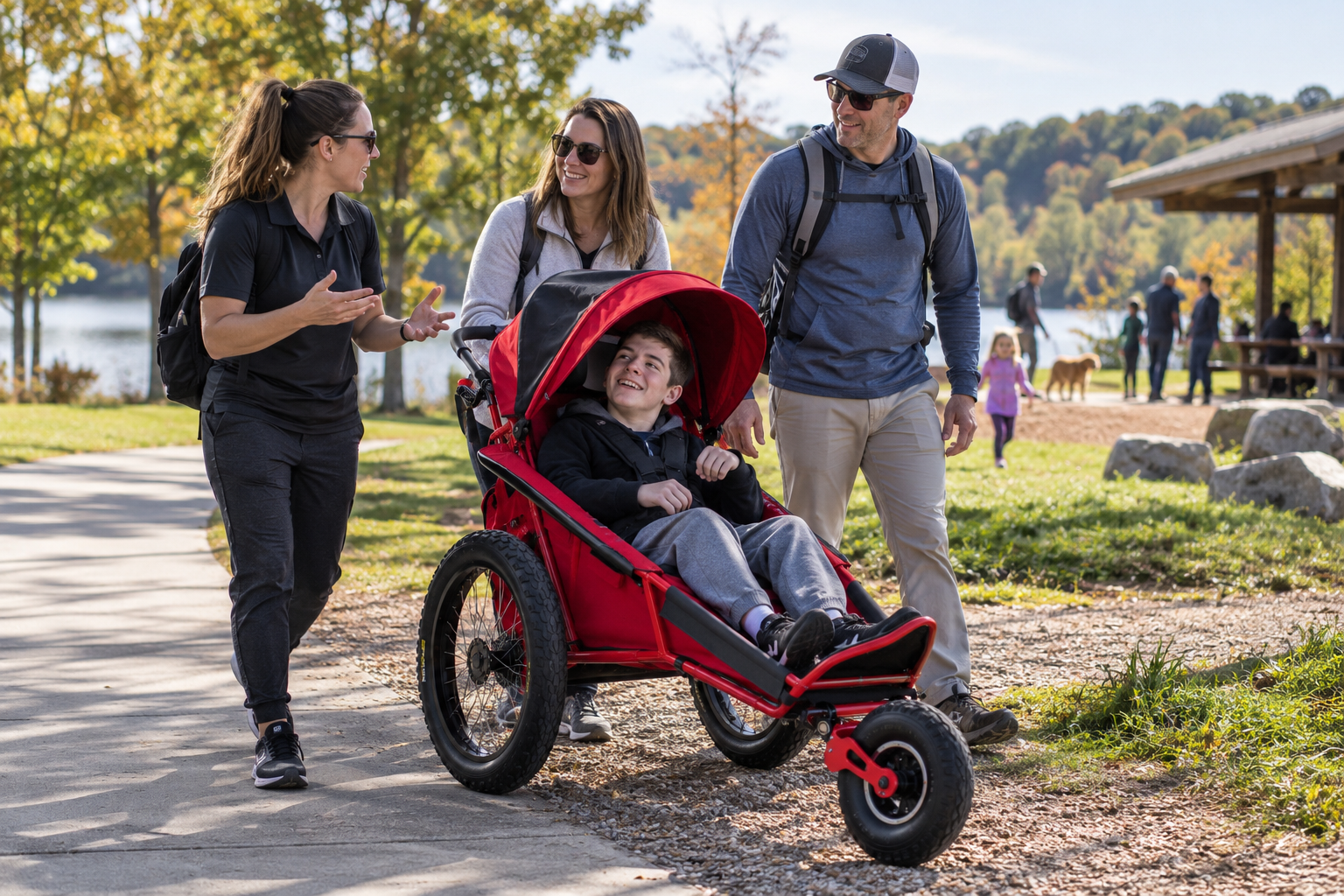
For one family, participation may mean joining a walk through the neighborhood.
For another, it may mean spending an afternoon at a park.
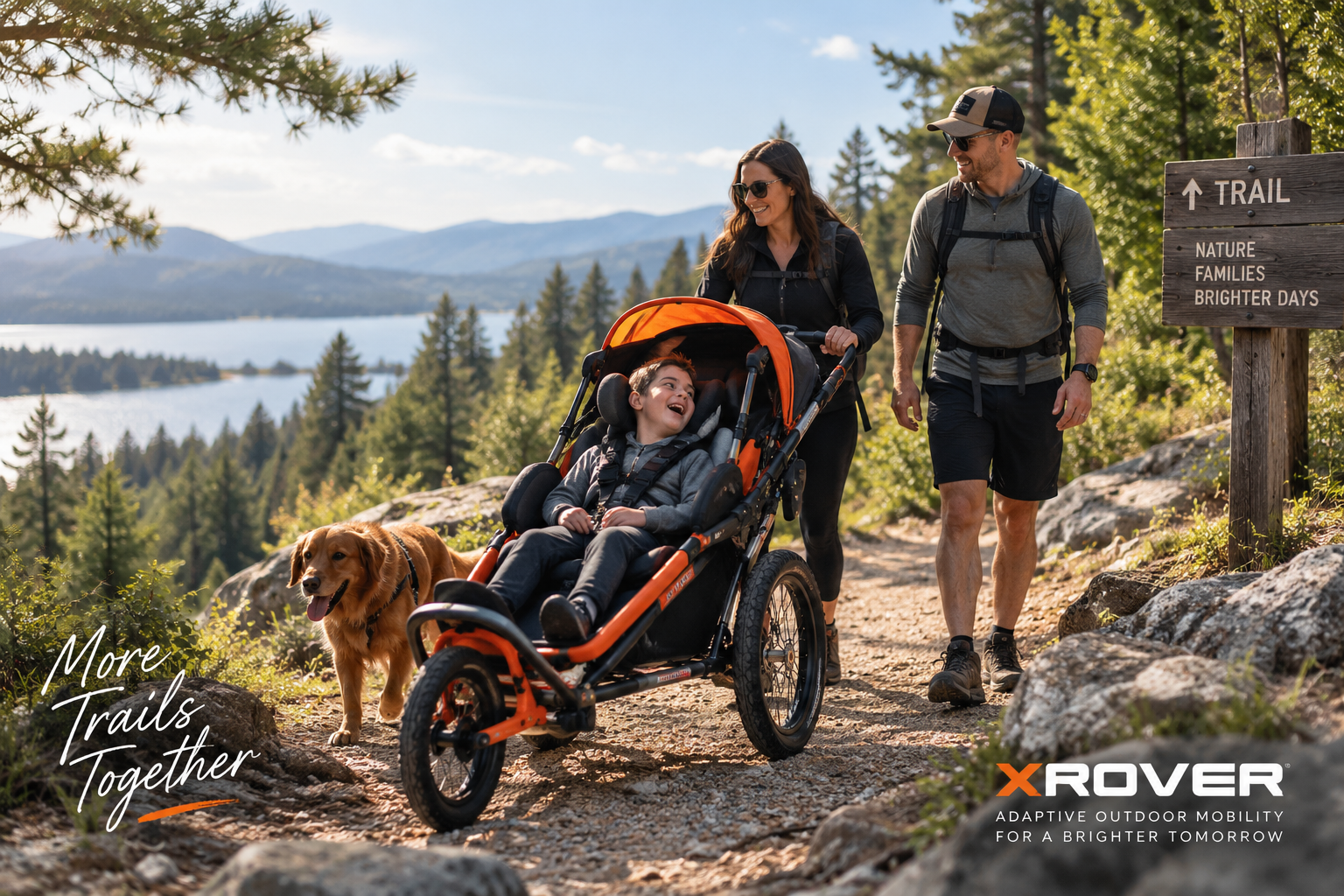
It might be a school event, a family vacation, a bike ride, a trail, a beach day or simply being able to stay out longer without fatigue ending the experience.
Cerebral palsy affects people in very different ways.
Mobility needs are individual too.
That is why meaningful access cannot be defined by a single diagnosis, a single device or a single measure of distance.
It begins with the person and the life they want to participate in.
ACCESS IS MORE THAN GETTING FROM A TO B
Traditional conversations about mobility often focus on movement:
How far can someone walk?
Can they transfer?
Can they propel independently?
What level of physical assistance is required?
Those questions matter.
But there is another question worth asking:
What does this person want to be part of?
A person may be able to walk independently for a certain distance and still benefit from additional mobility support during longer outings.
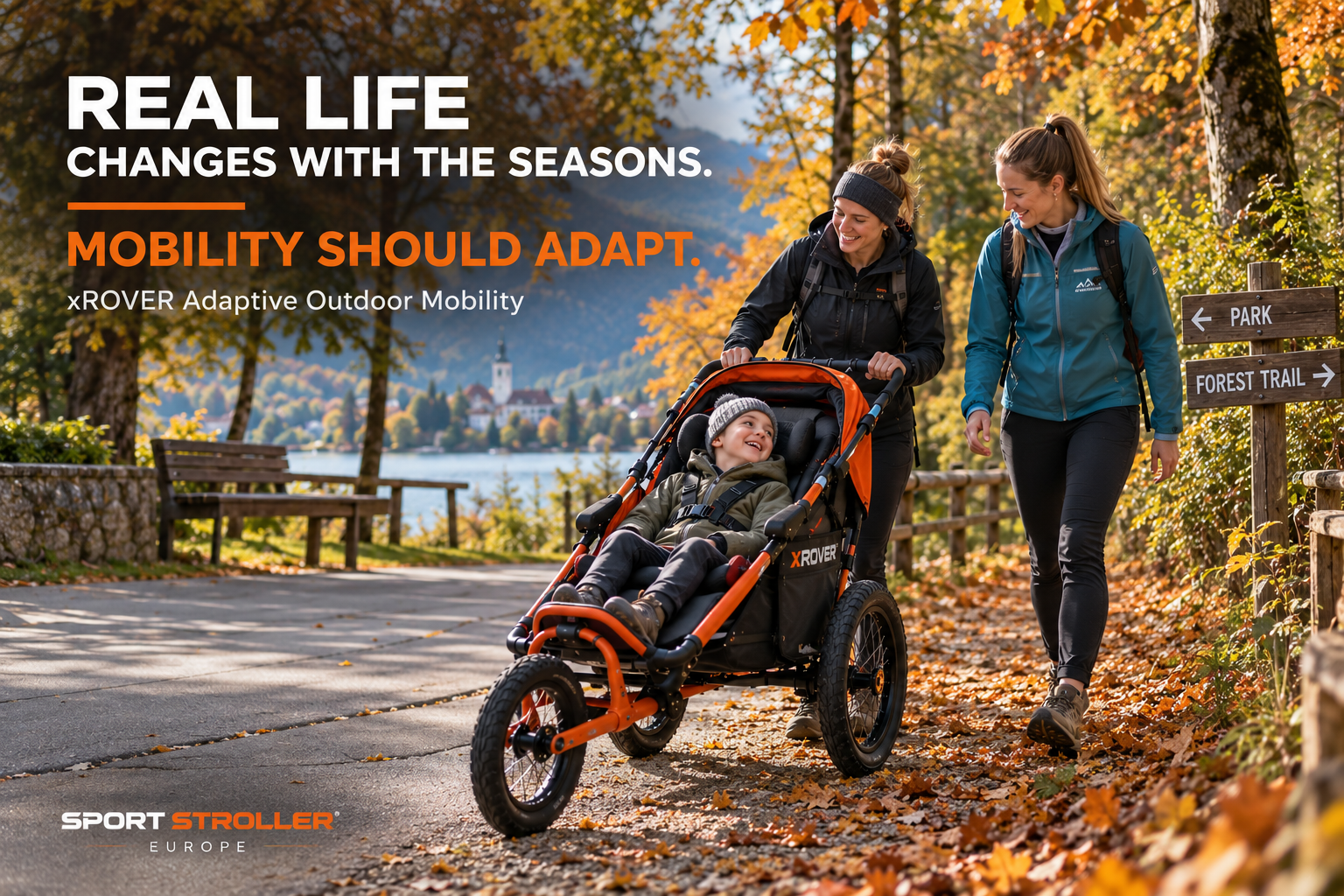
Someone who uses a wheelchair every day may need a different solution when the family reaches grass, gravel, trails or other outdoor environments.
Another person may require significant positioning and mobility support throughout the day.
There is no single cerebral palsy mobility experience.
And there should not be a one-size-fits-all approach to participation.
THE ENVIRONMENT CAN BECOME THE BARRIER
Sometimes the limitation is not the destination.
It is everything between the person and the destination.
Uneven terrain.
Distance.
Fatigue.
Grass.
Gravel.
Sand.
A trail that wasn't designed with every mobility device in mind.
These environmental barriers can determine whether someone joins an activity, watches from the edge — or stays home altogether.
Adaptive mobility cannot remove every barrier.
But the right equipment, properly selected for the individual, can sometimes expand the environments in which participation becomes possible.
MOBILITY SHOULD SUPPORT THE PERSON — NOT DEFINE THEM
At xROVER USA, we work with families whose needs can be very different.
Some individuals are independently ambulatory.
Some walk shorter distances.
Some use wheelchairs as their primary mobility.
Others require significant postural support.
That is why we don't believe a diagnosis alone tells us which mobility solution is appropriate.
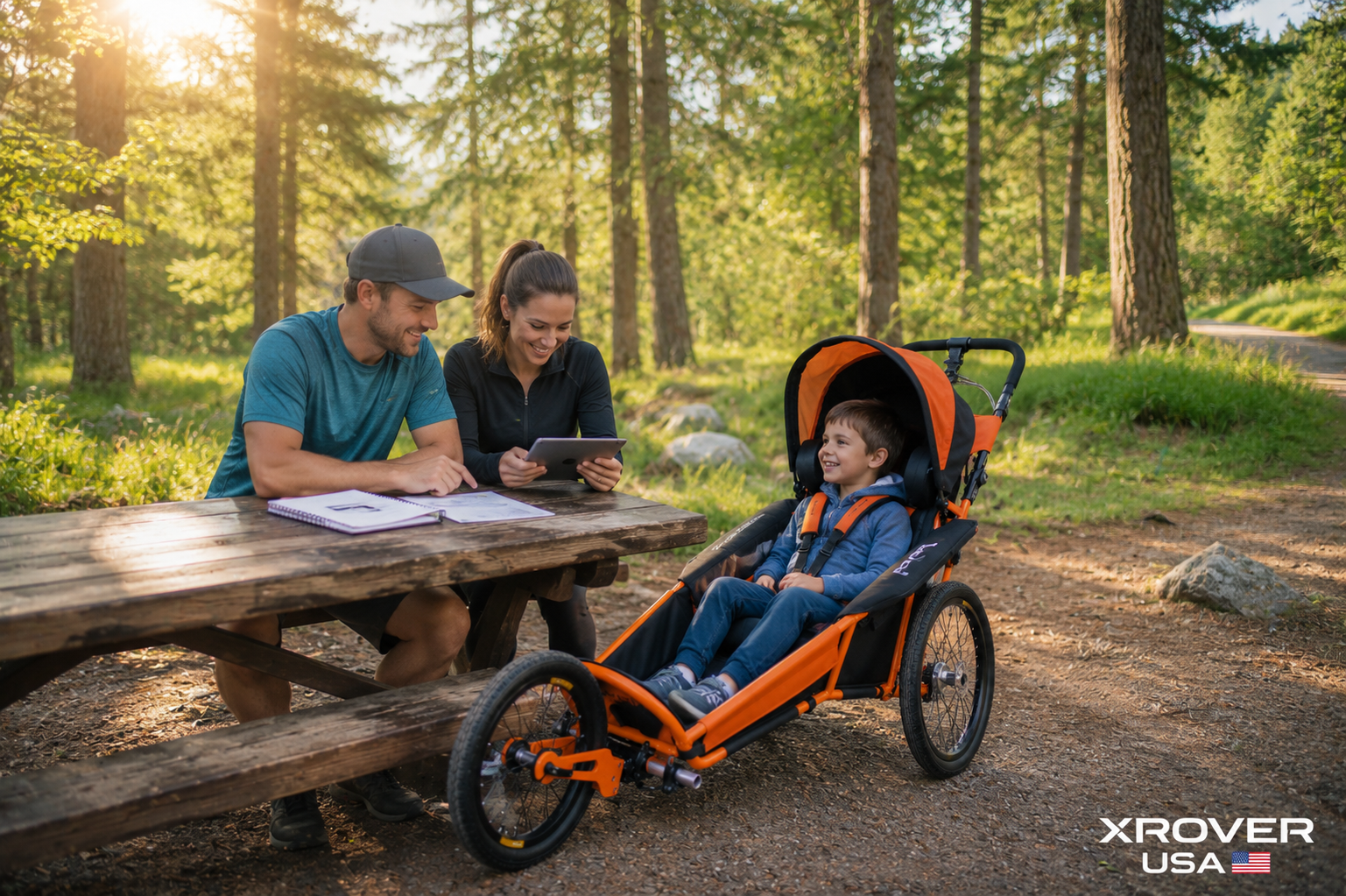
We look at the individual.
Their size.
Their positioning needs.
Their existing mobility.
Their environment.
Their family activities.
And most importantly:
What are they trying to participate in?
Only then should equipment enter the conversation.
TODAY, WE CELEBRATE PARTICIPATION.
On World Cerebral Palsy Day, our message is simple:
Every person deserves opportunities to experience more of the world around them.
More time with family.
More access to community.
More opportunities to explore.
More ways to participate.
And more environments designed with inclusion in mind.
To the individuals with cerebral palsy, their families, therapists, physicians, educators, caregivers, advocates and organizations working toward greater access every day:
xROVER USA stands with you. 💚
ACCESS SHOULD OPEN MORE OF LIFE.
xROVER USA
Adaptive Outdoor Mobility Specialist
Supporting families across the United States & Canada
If your family is exploring adaptive outdoor mobility and you would like to talk about your individual needs, our team is here to help.
START YOUR PERSONALIZED RECOMMENDATION →